Posted on Leave a comment

Cannabis and the Endocannabinoid System: The Wonders of CBDs


Cannabis and the Endocannabinoid System: The Wonders of CBDs

Updated with PAiNT Research Palette – Green

Co-edited by Steven Smith, PAiNT Research   Mature Hemp Field Crop Hemp Is Now A Viable Agriculture Phenomenon Cannabis and the Endocannabinoid System; The Wonders of CBDs CBD Molecule The following is a reprint with updated references. Cannabinoids are the chemical compounds made by the cannabis plant that unlock its many healing secrets. There are over 100 known cannabinoids and these chemicals imitate the endocannabinoids naturally produced in the human body. The shiny little crystals you see on cannabis buds are called trichomes where cannabinoids are stored. Human bodies (and many animals) have endocannabinoid systems (ECS), meaning that cannabinoids are naturally made so they can bind to endocannabinoid receptors creating changes in our physiology. To understand the master gland and immune system of the human body it is crucial to have a basic understanding of the endogenous cannabinoid system, otherwise known as the endocannabinoid system (ECS). The endocannabinoid system is essential to human health because it maintains homeostasis in the body. Research into the endocannabinoid system has increased in recent years as scientists begin to reveal how complex and important this system is to our bodies. The legal cannabis movement started in San Francisco in the early 1990’s when it was discovered that cannabis treated many symptoms that AIDS patients suffered from, including pain. It was medical marijuana laws that changed the legal status of cannabis nationwide, opening the doors for research and an adult-use market and creating a path towards full legalization. Cannabis patients across the country have used the plant to treat a growing number of medical conditions. In Colorado alone, there are nine different qualifying conditions for a medical card: cancer, glaucoma, HIV or AIDS, cachexia (wasting syndrome), persistent muscle spasms, seizures, severe nausea, severe pain, and Post Traumatic Stress Disorder (PTSD).

  What Do CBD’s Do? The endocannabinoid system (ECS) is responsible for maintaining homeostasis in the body. Homeostasis is defined as: “any self-regulating process by which biological systems tend to maintain stability while adjusting to conditions that are optimal for survival.” If homeostasis is successful, life continues; if unsuccessful, disaster and ill health ensues. The endocannabinoid system is made up of three parts: cannabinoid receptors, endocannabinoids, and metabolic enzymes.   • Endocannabinoid receptors are found throughout the body on the surface of cells in the brain, organs, tissues, and glands. These receptors are embedded in cell membranes and produce varying reactions when stimulated by cannabinoids. • Cannabinoids come from two distinct places — the body, which produces naturally occurring endocannabinoids, and foods like the cannabis plant, which produces phytocannabinoids. • Metabolic enzymes act like a natural referee in that they destroy endocannabinoids once they are used up by the body. The two main metabolic enzymes are fatty acid amide hydrolase (FAAH) and monoacylglycerol lipase (MAGL). This self-regulating system ensures the interaction of CBDs with the ECS only happens when needed and therefore keeps the workings of the endocannabinoid system relatively quiet to the conscious brain. Because homeostasis is so important to health, all vertebrates and invertebrates are known to have an endocannabinoid system.

  Cannabinoids can also be produced synthetically. Marinol (dronabinol) and Cesamet (nabilone) are synthetic versions of THC that have FDA approval to be marketed and sold as a prescription drug. Synthetic cannabinoids do unlock the endocannabinoid system to produce effects, but they often fail to incorporate the entourage effect which states that the sum of the different cannabinoids works better as a whole unit than any cannabinoid individually. With an understanding of the endocannabinoid system and its role in ensuring homeostasis in the body, it may be easier to see how this could be true. The Endocannabinoid System Despite its critical importance, the endocannabinoid system (ECS) was only discovered in the early 1990s when Lisa Matsuda, a researcher at the National Institute of Mental Health, and her colleagues discovered a DNA sequence that defines a THC-sensitive receptor in a rat’s brain. This discovery was quickly followed up with further evidence by Dr. Raphael Mechoulam, the famous chemist who discovered THC. With less than 30 years of research, the endocannabinoid system is one of the least studied systems in the body. Currently, restrictions on cannabis research limit what scientists can examine in terms of furthering the understanding of how cannabis and hemp interact with the endocannabinoid system. Two cannabinoid receptors have been discovered by researchers: CB1 and CB2.

CB1 is found in the central and peripheral nervous system. It’s also found in the brain and is the receptor that THC interacts with, giving the user a “high.” CB2 receptors are predominantly found in the immune system and the gastrointestinal system where they regulate inflammatory responses in the bowels. CB2 receptors are also found in the brain, although not as densely as CB1 receptors. These receptors, a large part of the endocannabinoid system, play roles in regulating cardiovascular activity, appetite, mood, memory, and pain in the body. CBD does not fit exactly into either CB1 or CB2 receptors. CBD stimulates both receptors and causes a reaction without binding directly, creating changes in cells that contain them. CBD also binds to a protein-receptor couple, TRPV-1, responsible for regulating body temperature, pain, and inflammation. CBD is also known for counteracting the effects of THC, activating serotonin receptors, and inhibiting a gene attributed to several cancers.   CBD has grown in popularity recently as research and anecdotal evidence increasingly demonstrates the impact it can have on the body. The body’s endocannabinoid system reacts to CB1 and CB2 based upon the organ or bodily system that is sensitive to one or both. The brain is especially sensitive to CB1, the lungs to CB1, the spleen to CB2, the vascular system CB1, the pancreas to CB1 & CB2, the liver to CB1 & CB2, reproductive organs to CB1, the colon to CB2, the muscles to CB1, the immune system to CB2, and the bones to CB2. The endocannabinoid system (ECS) is also involved in regulating a variety of physiological and cognitive processes including fertility, pregnancy (during pre- and postnatal development) appetite, pain-sensation, mood, and memory, and in mediating the pharmacological effects of cannabis. The ECS is also involved in mediating some of the physiological and cognitive effects of voluntary physical exercise in humans and other animals, such as contributing to exercise-induced euphoria as well as modulating locomotor activity and motivational salience for rewards. In humans, the plasma concentration of certain endocannabinoids (i.e., anandamide) have been found to rise during physical activity; since endocannabinoids can effectively penetrate the blood–brain barrier, it has been suggested that anandamide, along with other euphoriant neurochemicals, contributes to the development of exercise-induced euphoria in humans, a state colloquially referred to as a runner’s high. Cannabinoids Cannabinoids are broadly known for their anti-seizure, anti-inflammatory, anti-nausea, anti-fungal, and anti-cancer effects — and science has just scratched the surface. How much these effects are expressed is a result of the entourage effect is not fully known. The entourage effect states that the cannabinoids work better in tandem than they do alone. THC and CBD produce stronger healing properties together that are shown differently based on their concentrations and the presence of other cannabinoids. In addition, terpenes, the oils that give cannabis its fragrance, contribute to the therapeutic effects of the plant on the body when paired with cannabinoids. The powerful combination of these naturally occurring chemicals produces the medical effects that have given cannabis its reputation as a wondrous medical agent.

  In California, there are twelve qualifying conditions for a medical cannabis card, including one described as, “any other chronic or persistent medical symptom that substantially limits the ability of the person to conduct one or more major life activities (as defined by the Americans with Disabilities Act of 1990) or, if not alleviated, may cause serious harm to the patient’s safety or physical or mental health.” There are over 100 known cannabinoids and we’ve only briefly described a few. There is a lot more research to be done to understand the intricacies of each cannabinoid and how they interact with each other. Cannabinoids can bind to receptor sites in either the brain (CB-1) or the body (CB-2). Cannabinoids will produce different effects on the body depending on which type of receptor site they bind to. Cannabis strains are filled with multiple cannabinoids that when consumed, bind to these sites, creating a symphony of effects on the body and thus corresponding to the wide variety of healing properties. This is why one plant can treat many different conditions. Cannabinoids begin as cannabinoid acids that are activated when heated. This heat-based activation, also known as decarboxylation, removes the acid from the molecule, turning it into a bioavailable compound that the body can register. The decarboxylated molecule is often more powerful and produces a different effect on the body than the acidic version. This is why you see both “THCA” and “THC” when looking at the contents of a cannabis strain.  


🌿 Introduction: A Living System of Discovery The endocannabinoid system (ECS) remains one of the most fascinating regulatory networks in human biology. From mood and sleep to immune balance and pain modulation, the ECS is a master regulator. Cannabinoids like CBD interact with this system in ways that continue to inspire both scientific inquiry and public imagination. With the PAiNT Research Optics Palette – Green, we bring a sharper lens to this evolving field—highlighting not only the breakthroughs but also the blind spots that demand further exploration.


🔬 Current Research Strides

  • Clinical Expansion: CBD has moved from anecdotal wellness use into formal clinical trials for epilepsy, anxiety, inflammation, and neurodegenerative conditions.
  • Mechanistic Insights: Researchers are mapping receptor subtypes (CB1, CB2, and beyond), uncovering how cannabinoids influence neurotransmitter release, immune signaling, and vascular health.
  • Formulation Innovation: Advances in delivery systems—nanoemulsions, transdermal patches, and targeted oral formulations—are improving bioavailability and consistency.
  • Agricultural Progress: Hemp cultivation under the 2018 Farm Bill has expanded genetic diversity, enabling strains optimized for high-CBD, low-THC production.

⚖️ Current Limitations

  • Regulatory Barriers: Federal scheduling and fragmented state laws continue to slow large-scale, multi-site clinical trials.
  • Data Gaps: Long-term safety data, especially for chronic use and polypharmacy interactions, remain incomplete.
  • Standardization Issues: Variability in plant genetics, extraction methods, and labeling practices undermines reproducibility and consumer trust.
  • Equity in Access: Research and product development often overlook marginalized communities most affected by health disparities and cannabis criminalization.

🎨 The PAiNT Optics Palette – Green

This editorial lens emphasizes sustainability, wellness, and regenerative potential. “Green” is not only the color of the plant but also a metaphor for growth, balance, and ecological responsibility. Through this palette, PAiNT Research frames CBD and ECS science as part of a broader movement toward integrative health and environmental stewardship.


🚀 Preparing for PAiNT Your Wagon

This blog is the first in a living research series. The next installment, PAiNT Your Wagon, will expand the conversation—exploring how predictive AI, narrative storytelling, and community engagement can accelerate cannabinoid research and policy reform. Together, these pieces will form a living research blog, where each chapter builds on the last, offering readers not just information but a roadmap for advocacy, innovation, and wellness.


Closing Note The ECS is not just a scientific curiosity—it is a bridge between biology, wellness, and culture. By applying the PAiNT Research Optics Palette – Green, we illuminate both the promise and the challenges of CBD research, preparing the ground for deeper inquiry and collective action.  

AllRightsReserved-InspirationalTechnologies2024

I hope this information was helpful and informative. If you have any more questions, please feel free to ask me. 😊 Inspirational Technologies – IT is Time

We, at Inspirational Technologies are at the forefront of Inspirational and Frontrunners on the frontier of current technology.

We are often faced with our own personal conflicts which directly influence our interactions with our peers and family. 

When Inspirational Technologies is an endorsement of the “Cannabis” approach to the medical condition, we say, let’s let the look at the data and the people who say that they benefit for cannabis alternatives.

At Inspirational Technologies

Our mission is to shape public perception and policy through credible, engaging narratives that empower communities. With the PaiNT Network, we are extending that mission into the realm of predictive intelligence. By blending editorial rigor with AI foresight, we are creating a platform that doesn’t just inform—it inspires action.

As Steven Smith notes:

Looking Ahead The launch of PaiNT Research is only the beginning. In the coming months, Inspirational Technologies will:

• Roll out “Engage → Palette” cycles on our blog, showing how dialogue evolves into curated insights. • Publish “PaiNT Your Wagon” action briefs to guide policymakers and advocates. • Release “PaiNT You a Picture” visuals to make complex science accessible. • Amplify insights through “PaiNT the Town”, ensuring that predictive intelligence reaches the audiences who need it most.

P a i N T   Pallette 2025
P a i N T Your Wagon 2025
P a i N T You a Picture 2025
P a i N T the Town 2025

A Call to Collaboration We believe that predictive intelligence is not a solitary pursuit—it is a collective canvas. Every voice adds a brushstroke. Every perspective adds depth. Together, we can paint a future where research is not just conducted but understood; not just published but lived. Join us as we launch PaiNT Research. Explore the categories. Share your insights. Because the future is not something we wait for—it’s something we paint together.

Brought to you by the PaiNT Network (2025) an inspiration from Inspirational Technologies

Predictive Artificial Intelligence News & Technology 2025

=====================================================================================================================================

We, at Inspirational Technologies are at the forefront of Inspirational and Front runners on the frontier of current technology. ___________________________________________________________________________________________________All Rights Reserved – Inspirational Technologies 2025 We hope this information has been helpful and informative. Don’t hesitate to reach out with any further questions. 😊

Predictive Artificial Intelligence News & Technology
1st Hemp USA News is a resource of Inspirational Technologies (2021)
Created 3/1/2014
Logo by Steven M Smith Created 3/1/2014
Posted on Leave a comment

Predictive AI News & Technology (PaiNT) is rapidly becoming a cornerstone of innovation across industries.

Predictive Artificial Intelligence News & Technology

Predictive AI News & Technology (PaiNT) is rapidly becoming a cornerstone of innovation across industries—from finance and healthcare to agriculture and cannabis. Here’s a snapshot of how it’s evolving and why it’s especially relevant to our mission at Inspirational Technologies:

“We bring data to life, unravel molecules, and share meaningful stories. Your health deserves more than just a diagnosis—it deserves a canvas. At PaiNT, we see health as more than binary; it’s not simply sick or well, treated or untreated, natural or chemical. It’s a spectrum shaped by biology, emotions, history, and possibilities. Our platform combines predictive AI with plant-based therapies, like hemp and CBD, to unlock the full spectrum of human wellness.”   Steven Smith, Founder and CEO – Inspirational Technologies – October 2025 


   Here’s a snapshot of how it’s evolving and why it’s especially relevant to our mission at Inspirational Technologies:

🧠 What Is Predictive AI News & Technology?
Predictive AI refers to artificial intelligence systems that analyze historical and real-time data to forecast future outcomes. In the context of news and technology, it means:
• Anticipating trends before they emerge
• Personalizing content based on user behavior
• Optimizing decision-making in sectors like biotech, cannabis, and wellness

🌿 Cannabis & Hemp Applications
For a cannabis-centric editorial platform like PaiNT, predictive AI can be transformative:
• Crop Optimization: AI models forecast ideal growing conditions, pest risks, and yield outcomes
• Consumer Personalization: Predictive analytics tailor CBD formulations to individual health profiles
• Regulatory Forecasting: AI tracks legislative trends and predicts policy shifts across states and countries
• Supply Chain Intelligence: Machine learning streamlines logistics, inventory, and compliance documentation

📰 Real-World Momentum
• Bee’s Knees Plumbing & Heating is using predictive AI to monitor furnace systems—showing how smart diagnostics can prevent emergencies. This same logic applies to cannabinoid delivery systems and patient monitoring.
• i-exceed is reshaping digital banking with predictive AI that anticipates customer needs in real time. Imagine applying this to cannabis retail—predicting when a customer might need a refill or a new formulation.
• Ansarada is using AI to power M&A dealmaking, offering predictive insights into risk and opportunity. This could be a model for cannabis startups navigating volatile markets.

🔮 Why PaiNT Matters in 2025
As hemp and CBD continue to evolve beyond stigma and into science, PAINT becomes more than a blog—it’s a forecasting lens, a policy compass, and a storytelling engine. It’s where data meets advocacy, and where your personal journey becomes a platform for public impact.


Predictive Artificial Intelligence News & Technology

___________________________________________________________________________________________________
All Rights Reserved – Inspirational Technologies 2025
We hope this information has been helpful and informative. Don’t hesitate to reach out with any further questions. 😊
Inspirational Technologies Inspirational Technologies (2014) Background Noise Studios Logos by Steven M Smith

Inspirational Technologies (2024) All Rights Reserved

*This site operates with minimal compensation for product sales. Humanitarian values are prioritized over monetary gains. Income supports research, development, discovery, and healing.

Inspirational Technologies is committed to your health, wellness, beauty, and enrichment.
Reporting on today’s botanical and skincare product benefits.

🌱 General Wellness & Natural Healing
• #NaturalHealing
• #HolisticHealth
• #PlantBasedWellness
• #NatureKnowsBest
• #GreenMedicine
• #HealingWithPlants
• #EarthGrownRemedies
• #BotanicalBenefits
• #WellnessJourney
• #MindBodyBalance

Inspirational Technologies (2025)

Predictive Artificial Intelligence News & Technology

1st Hemp USA News is a resource of Inspirational Technologies (2021)

Created 3/1/2014
Logo by Steven M Smith
Created 3/1/2014

💆 Pain, Inflammation & Recovery
• #PainRelief
• #AntiInflammatory
• #MuscleRecovery
• #JointSupport
• #ChronicPainHelp
• #SoothingRelief
• #CBDForRecovery
• #HempHealing
• #PostWorkoutRelief
• #NaturalPainManagement

😌 Mental Health & Stress Relief
• #AnxietyRelief
• #StressSupport
• #CalmNaturally
• #MentalWellness
• #CBDForAnxiety
• #RelaxWithCBD
• #MoodSupport
• #PeaceOfMind
• #EmotionalBalance
• #CBDForCalm

😴 Sleep & Rest
• #BetterSleep
• #CBDForSleep
• #RestWell
• #SleepSupport
• #NaturalSleepAid
• #SweetDreamsCBD
• #DeepRest
• #CBDNightRoutine
• #RelaxAndRecharge
• #SleepNaturally

🧠 Brain & Body Benefits
• #NeuroSupport
• #BrainHealth
• #CBDForFocus
• #EndocannabinoidSystem
• #CannabinoidCare
• #CBDScience
• #BodyBalance
• #CBDWellness
• #HempPower


Posted on Leave a comment

Growing Out of Business Sale.

September 7th, 2025 – 1st Hemp USA News – Inspirational Technologies (2025)

Growing Out of Business Sale. A Bold Pivot for Inspirational Technologies – From CBD Sales to Hemp Advocacy

On September 5th, 2025, Steven Smith, the driving force behind Inspirational Technologies, announced a strategic shift that could redefine the company’s role in the hemp and cannabis ecosystem.

In a move that surprised many in the CBD sector, Company Owner and Founder, Smith declared that the company would limit its sales of CBD products and instead channel its energy into research, journalism, and media—all aimed at sustaining and expanding hemp’s influence in a marijuana-dominated market.

Mr. Smith’s rationale is as ambitious as it is provocative: he believes that effective research into hemp’s properties will ultimately surpass the capabilities of modern medicine. This is not a casual claim—it’s a vision that positions hemp not merely as a supplement or niche wellness product, but as a cornerstone of future healthcare innovation.

The decision comes at a time when the CBD industry is both maturing and fragmenting. With regulatory landscapes tightening and competition intensifying, many companies are doubling down on product diversification. Inspirational Technologies, however, is taking the opposite route—stepping back from retail to focus on thought leadership and scientific credibility.

By investing in rigorous research, the company aims to generate data that could influence policymakers, healthcare providers, and consumers alike. Through journalism and media, it seeks to shape the narrative—countering misinformation, highlighting breakthroughs, and ensuring hemp’s story is told with nuance and authority. This dual approach could make Inspirational Technologies less a product vendor and more a cultural and scientific institution within the hemp space.

Critics may question the financial wisdom of reducing direct sales in a booming wellness market. Yet, Smith’s pivot suggests a long game: building intellectual capital, credibility, and influence that could yield far greater returns than short-term product revenue. If hemp research does indeed validate claims of efficacy beyond current medical treatments, Inspirational Technologies will be positioned not just as a participant in the market, but as one of its architects.
In an industry often driven by hype, this is a rare example of a company betting on substance over speed. Whether Smith’s vision will bear out remains to be seen, but one thing is certain—Inspirational Technologies is no longer just selling CBD. It’s selling an idea, a future, and perhaps a quiet revolution in how we think about hemp.

This is more than a business pivot; it’s a declaration of purpose. And in the evolving cannabis landscape, purpose may prove to be the most valuable product of all.

About Steven Smith
Steven Smith is the founder and strategic force behind Inspirational Technologies—a platform reshaping the future of wellness through nature, science, and media advocacy. With a deep-rooted belief in the healing power of hemp and CBD, Steven leads a movement that challenges pharmaceutical norms and reclaims botanical medicine as a credible, accessible solution.
Formerly focused on consumer goods, Steven has pivoted toward research, journalism, and thought leadership to elevate hemp from trend to trusted science. His editorial style blends warmth with intellectual rigor, inviting readers to think critically, feel deeply, and embrace a new paradigm of health.
Through Inspirational Technologies, Steven is building more than a brand—he’s cultivating a legacy. One that replaces stigma with curiosity, commerce with influence, and short-term gains with long-term transformation.

Inspirational Technologies (2025)
AllRightsReserved

All Rights Reserved – Inspirational Technologies 2025

We hope this information has been helpful and informative. Feel free to reach out if you have any further questions. 😊

Inspirational Technologies – IT is Time

At Inspirational Technologies, we pride ourselves on being pioneers and innovators in the ever-evolving world of technology.

We often encounter personal challenges that shape our relationships with peers and family.

Steven M. Smith, CEO of InspirationalTech.org since 2013.

Thank you for considering Inspirational Technologies. Visit InspirationalTech.org for your health, wellness, beauty, and inspirational goals. Learn more about Cannabis, CBD, and YOU.

Steven M Smith InspirationalTech.org CEO since 2013.

Thank you for consideration.

InspirationalTech.org for your Health Wellness Beauty and Inspirational Goals
1st Hemp USA News is a resource of Inspirational Technologies (2025)
Continue reading Growing Out of Business Sale.
Posted on Leave a comment

Federal Cannabis Legalization and Reform and Florida’s Cannabis Market. An Overview of the 2024 Effort to Dea-Schedule.


  1. Federal Cannabis Legalization and Reform:
    • The possibility of reclassifying cannabis as a Schedule III drug under the Controlled Substances Act has been a hot topic in 2024. Attorney General Merrick Garland must consider three key factors before the DEA makes a decision: accepted medical useabuse potential, and dependence liability.
    • The U.S.’s international treaty obligations under the Single Convention on Narcotic Drugs, 1961 are also being weighed, with opponents arguing against rescheduling cannabis from its current Schedule I classification.
    • Interestingly, cannabis was once legally imported across borders over a century ago, but its perception changed due to political climate shifts and propagandists associating it with negative sentiments1.
    • It’s been nearly eight months since the Drug Enforcement Administration (DEA) received an official recommendation to reclassify cannabis as a Schedule III drug, yet this possibility continues to be a top storyline throughout the industry in 2024.Specifically, Attorney General Merrick Garland has to offer three findings before the DEA issues its pending decision to potentially reschedule cannabis under the Controlled Substances Act, including its 1.) currently accepted medical use; 2.) relative abuse potential; and 3.) physical and psychological dependence liability.Garland and DEA officials also are likely weighing the U.S.’s international treaty obligations under the Single Convention on Narcotic Drugs, 1961, which rescheduling opponents continue to hammer on as a reason to keep cannabis listed as a Schedule I drug. Prohibitionists also continue to point to the dangers and health risks of cannabis as another reason.But cannabis wasn’t always treated this way. In fact, the plant was once a legal cross-border import more than 100 years ago, when “the federal government was not overly concerned with marijuana,” according to the U.S. Customs and Border Protection.The political climate toward cannabis began to change in the early 20th century, when immigration across the southern border spiked due to the Mexican Revolution in 1910, paving way for propagandists to play on fear and prejudice by associating refugees fleeing to the U.S. with a negative sentiment around cannabis, according to TIME.

      Prohibition in the U.S.

      Federal cannabis prohibition dates back roughly 90 years in the U.S., with the 1937 passage of the Marihuana Tax Act, which outlawed the nonmedical use of cannabis, and regulated cannabis importation, cultivation and distribution. This legislation came following the 1936 production of propaganda film “Reefer Madness,” which infamously claimed, “marijuana is … the real public enemy number one.”

      Many states began prohibition of recreational cannabis in the preceding decades, starting in 1913 with states like Wyoming and California, which have vastly different approaches to cannabis in today’s age of reform. By 1933, there were 29 states that banned cannabis, according to authors of the 2014 book “Prohibition, Religious Freedom, and Human Rights: Regulating Traditional Drug Use.”

      Two decades later, the Boggs Act of 1952 and Narcotics Control Act of 1956 stepped up America’s cannabis war by enacting stricter drug sentencing laws. These laws set mandatory sentences for cannabis-related offenses, including two to 10 years imprisonment with a fine of up to $20,000 for first-time offenders of cannabis possession.

      But it wasn’t until President Richard Nixon signed the 1970 Controlled Substances Act (CSA) that cannabis became classified as a Schedule I federally controlled drug, right up there next to heroin, LSD and ecstasy—the only classification on the CSA where drugs have no accepted medical use. Meanwhile, cocaine and fentanyl are considered Schedule II drugs.

      Despite the Schedule I designation, 11 states decriminalized cannabis in the 1970s, starting with Oregon in 1973, according to The Oregonian. This wave came following the bipartisan Shafer Commission determining that cannabis should be decriminalized for personal consumption. (Although Nixon appointed nine of the commission’s members, he rejected its recommendation.)

      Still, the drug war continued. President Ronald Reagan signed the Anti-Drug Abuse Act of 1986, which then-Sen. Joe Biden co-crafted to authorize new funding for drug treatment programs and stricter penalties for drug offenses. And in 1989, President George H.W. Bush declared a new drug war in a national televised speech: “All of us agree that the greatest domestic threat facing our nation today is drugs,” he said.

      The Green Wave

      In 1996, California ignited the present-day cannabis legalization wave when voters approved Proposition 215 with a 55.6% majority to exempt patients and caregivers from prohibition laws. Image result for Proposition 215

    • As of 2024, 38 states have legalized medical cannabis in manners that don’t severely limit access to patients, while 24 states and Washington, D.C., have legalized adult-use cannabis. As this landscape continues to evolve, a record-high 70% of Americans think marijuana should be legal, according to Gallup pollsters. It wasn’t until 2013 that the majority of Americans agreed in support of this issue.

      This landscape has provided booming (and bust) business opportunities in many state-legal markets: The 20 states that had operational adult-use retail markets in 2023 sold roughly $23 billion in cannabis, according to government data collected by Cannabis Business Times.

      And the industry continues to grow with each new market that comes online: Connecticut, Missouri and Maryland all launched adult-use sales in 2023, while Ohio is scheduled to commence sales in 2024, and Delaware and Minnesota are working toward starting sales in 2025.

      In addition, Florida has the potential to launch adult-use sales in 2025 should Smart & Safe Florida’s “Yes on 3” campaign attract 60% supermajority support for its constitutional amendment in this November’s election.

      Federal Cannabis Reform in 2024

      Among countless variables that could impact the cannabis industry in 2024, many stakeholders are keen on three main reform prospects at the federal level: the DEA’s pending rescheduling decision, the SAFER Banking Act’s passage, and the Farm Bill’s reauthorization.

      Although cannabis advocates with the “deschedule or do nothing” approach have said rescheduling cannabis would only continue the disparities of cannabis criminalization, incremental reform via a Schedule II or III listing could have myriad ripple effects related to industry oversight and enforcement, scientific research, criminal justice reform, and normalization should the DEA finally decide that cannabis does indeed have currently accepted medical use in the U.S.

      On the business front, reclassifying cannabis under the CSA would ease certain tax burdens on state-licensed cannabis operators, including lifting Section 280E of the internal revenue code that currently restricts cannabis companies from deducting many expenses related to running their operations.

      While DEA officials have not publicly addressed a timeline for their rescheduling review process, this process was directed by President Joe Biden, who has played up his cannabis reform policies during his 2024 reelection campaign. That said, many have speculated that an announcement from the DEA will come this year.

      SAFER Banking Act

      Current legislation to provide safe harbor to financial institutions wishing to service the cannabis industry—the Secure and Fair Enforcement Regulation (SAFER) Banking Act—has advanced as far as it ever has in the U.S. Senate, which is leading the charge this Congress.

      After a major victory with the Senate Banking Committee advancing the legislation during a markup hearing in September, the SAFER Banking Act continues to await Senate Majority Leader Chuck Schumer, D-N.Y., to call the bill to the floor for a vote.

      But now with key federal government funding packages in the rearview mirror, Schumer included the SAFER Banking Act among a short list of legislative priorities this year, saying last month he’ll turn to it soon.

      Schumer also said he was committed to including criminal justice provisions, like the Harnessing Opportunity by Pursuing Expungement (HOPE) Act, in the SAFER Banking Act, as well as the Gun Rights and Marijuana (GRAM) Act, which would allow state-legal cannabis consumers to purchase and possess firearms—the latter of which could help attract broader bipartisan support for the bill, which currently has 32 Democrats and four Republicans signed on for sponsorship.

      Specifically, U.S. Sen. Jacky Rosen, D-Nev., reintroduced the HOPE Act on April 18. The bill would provide a federal grant program to help expunge cannabis convictions and/or seal records in states where the plant has been legalized or decriminalized.

      “Having a record for something that is now legal in our state threatens Nevadans’ ability to get a job, apply for housing, and contribute to our state’s economy,” Rosen said Thursday in a press release.

      The HOPE Act’s introduction is a positive sign for the SAFER Banking Act’s path forward, Schumer said on social media April 18, but the majority leader must also extend his reach to the U.S. House, which is now under Republican control.

      Previous versions of safe banking legislation passed the House seven times under Democratic control between 2019 and 2022 but were stonewalled by Senate leaders each time.

      2024 Farm Bill Reauthorization

      Should intoxicating cannabinoid products derived from hemp be regulated like cannabis?

      This is a critical question posed by industry stakeholders to congressional leaders charged with reauthorizing the Agriculture Improvement Act (Farm Bill) later this year.

      While the 2018 Farm Bill federally legalized industrial hemp—defined by having no more than 0.3% THC on a dry-weight basis—beyond state pilot programs, many hemp-derived products containing intoxicating amounts of delta-8 and delta-9 THC have proliferated the marketplace, landing on shelves at smoke shops, gas stations and convenience stores throughout the nation.

      This has been great for businesses in states with prohibitive cannabis laws such as Texas, where companies in the state’s hemp and severely limited medical cannabis industries generated more than $8 billion in revenue and employed more than 50,000 workers in 2022, according to a Whitney Economics estimate.

      Nationwide, U.S. hemp-derived cannabinoid sales were “conservatively” estimated to be $28.4 billion last year, according to a Whitney Economics’ 2023 national cannabinoid report. Roughly 10% of that sales total was attributed to nonintoxicating CBD products.

      RELATED: How Do US Hemp-Derived Cannabinoid Sales and Craft Beer Sales Compare?

      Beau Whitney, who founded the cannabis and hemp data and analytics firm in 2014, previously told Cannabis Business Times that $7.1 billion of the $28.4 billion is considered “gray or illicit sales.”

      But many licensed cannabis operators in adult-use states, where these hemp-derived products often end up via interstate commerce, have taken the position that the Farm Bill was intended to separate hemp and cannabis in a nonintoxicating-versus-intoxicating manner. Otherwise, cannabis operators who often pay a premium for their state licenses—not to mention additional taxes and regulatory compliance—claim they are at a disadvantage.

      In an April 10 letter to key U.S. lawmakers, the U.S. Cannabis Council (USCC), which represents many of the biggest players in the regulated cannabis industry, proposed that the new Farm Bill includes language to exclude intoxicating hemp products from the definition of hemp and instead consider them cannabis.

      “This proposal protects the allowances granted to farmers, allowing legitimate agricultural and industrial hemp producers the flexibility they need to navigate the changing plant characteristics when growing in the field, while taking away the loopholes that have created the current gray market environment for unregulated hemp-derived intoxicants,” USCC Executive Director Edward Conklin wrote in the letter.

      Federal Legalization Bills

      There are three broad cannabis legalization bills primarily at play this Congress, including one backed by 87 House Democrats, another backed by five bipartisan House members, and another Democratic-back bill that’s teed up for reintroduction in the Senate.

      In September 2023, Rep. Jerry Nadler, D-N.Y., reintroduced the Marijuana Opportunity, Reinvestment and Expungement (MORE) Act, legislation that intends to legalize cannabis at the federal level through decontrolling and decriminalizing the plant, as well as provide expungements for certain cannabis offenses and create reinvestment opportunities for those adversely impacted by prohibition.

      Nadler is joined by 86 of his Democratic colleagues in backing the bill, which is indicative of the legislation’s partisan history. Previous versions of the MORE Act have passed the U.S. House twice before, most recently in a 220-204 vote that fell almost entirely along party lines in April 2022. With the House now under Republican control, the current rendition hasn’t made any headway.

      On the right side of the aisle, in October 2023, Rep. Nancy Mace, R-S.C., reintroduced the States Reform Act of 2023, legislation that would legalize cannabis by amending the Controlled Substance Act and provide for federal regulation in a manner similar to alcohol.

      Mace’s bill has the bipartisan support of four co-sponsors, including Reps. Tom McClintock, R-Calif.; Dean Phillips, D-Minn.; David Trone, D-Md.; and Matt Gaetz, R-Fla. But this legislation, too, has yet to receive a committee hearing.

      And then there is the Cannabis Administration and Opportunity Act (CAOA), which Schumer and fellow Democratic Sens. Ron Wyden, D-Ore., and Cory Booker, D-N.J., first filed last Congress. Schumer said during the 2024 National Cannabis Policy Summit on April 17 that the trio plans to reintroduce the CAOA this Congress.

      The previous version of this legislation proposed a 25% federal cannabis tax on any products produced in or imported into the U.S. And while it would have granted states the power to keep or administer their own oversight programs, it also would have transferred federal jurisdiction over cannabis from the DEA to the Food and Drug Administration. Some stakeholders and industry advocates hoped these two key provisions were amended at the time (but the legislation did not gain traction last Congress).

      “I have more exciting news to share,” Schumer said Wednesday during the summit. “This month, along with Senators Booker and Wyden—my colleagues—we will be introducing the Cannabis Administration and Opportunity Act, which fully de-schedules cannabis at the federal level. Cannabis legalization has proven successful at the state level. It’s high time that Congress catches up with the rest of the country.”

      Of course, cannabis reform is not easy, especially in a divided government, he said.

  2. Florida’s Cannabis Market:
    • Florida’s cannabis market is poised for significant growth. A recent court decision allows a cannabis legalization proposal to appear on the November 2024 election ballot. If approved, this could lead to a 400% growth in the state’s already substantial $6 billion cannabis market2.
    • The state’s retail cannabis landscape has been expanding, with 628 dispensaries by April 2024. Additionally, the medical cannabis sector boasts over 878,000 patients, and sales reached $2.6 billion in 2023, marking an 18% increase from the previous year3.
  3. Voter Support for Adult-Use Cannabis:
    • Florida’s Supreme Court recently approved the ballot language for a citizen-initiated constitutional amendment to legalize adult-use cannabis. This measure will be put to a vote in the November 2024 election4.
    • Florida cannabis businesses, advocates and enthusiasts celebrated a win on April 1, when the state’s Supreme Court decided the ballot language for a citizen-initiated constitutional amendment to legalize adult-use cannabis was sufficient to appear on the November 2024 election ballot, after state Attorney General Ashley Moody had filed an argument against allowing the measure to go before voters. But with a 60% supermajority vote needed at the voting booths in November to approve Amendment 3, a new Ipsos poll suggests voter support may not be sufficient. Fifty-six percent of registered voters in Florida say they would vote in favor of the ballot measure that would allow adults to purchase and possess personal amounts of cannabis, according to the Ipsos poll. Forty percent say they would oppose it, and 4% are unsure.The latest poll conflicts with a November 2023 survey conducted by pollsters at the University of North Florida’s Public Opinion Research Lab, which found that 67% of voters said they would support the constitutional amendment and just 28% of those surveyed said they’d vote against it.“Among 13 states that have legalized adult-use cannabis through citizen-initiated ballot measures, only Arizona, in the 2020 election, has met that 60% threshold. New Jersey (67.1%) and Maryland (67.2%) voters approved legislative-referred referendums,” Cannabis Business Times reported.
    • Smart & Safe Florida (@SmartandSafeFl) / TwitterStill, the initiative, sponsored by Smart & Safe Florida, has raked in substantial financial backing. Tallahassee-based multistate cannabis operator (MSO) Trulieve had contributed more than $40 million prior to the Supreme Court’s April 1 ruling, CBT reported. Following the ruling, Trulieve was joined by six other MSOs in contributing an additional $15 million in funding for the campaign, Smart & Safe Florida announced April 3, hoping to help the campaign get the 60% supermajority vote needed at the polls.
    • “Should voters cross the 60% threshold in November, adults 21 and older would be able to purchase and possess up to 3 ounces of dried flower or 5 grams of concentrate for personal use with the effective date of the amendment coming six months after the election,” CBT reported. The Florida Legislature would determine a process for licensing additional market entrants.Florida’s cannabis market, currently only legal for medical use, is already one of the largest in the U.S., generating more than $2 billion in sales 2023, according to estimates by data and analytics firm Brightfield Group.
    • The cannabis industry sees this referendum as a potential game-changer, allowing voters to decide whether to embrace recreational marijuana in a state that has a well-established medical cannabis program5.
    • When the Florida Supreme Court earlier this month approved a November referendum on legalizing marijuana in the Sunshine State, it set off celebrations around the national cannabis industry.

      While 24 states have legalized recreational marijuana so far and at least 38 have legalized its medical use, Florida presents the industry with a jewel of an opportunity. The Sunshine State has one of the fastest-growing populations in the U.S., a well-established medical marijuana business with more than 800,000 patients, and is one of the world’s top tourist destinations. Some 135 million people visited Florida last year from both domestic and international destinations.

      “The legalization of adult-use marijuana in Florida is not just a game-changer for the state’s economy but also a defining moment for the entire U.S. cannabis industry,” Headset, a marijuana-focused data company, said in a blog post after the court’s decision.

      Headset – Market intelligence for cannabis – New Cannabis Ventures

      Already at around $2 billion in medical marijuana sales, “Florida could see $4.9 billion to $6.1 billion in sales” during the first year of recreational marijuana, Headset estimates.


      “Florida is unique,” says Kim Rivers, CEO of Trulieve, the leader in the state with more than 130 medical marijuana dispensaries. Trulieve was a main funder of the effort to get the referendum on the ballot, contributing $40 million, but now a broader range of cannabis companies are joining the effort, raising $15 million for the Smart & Safe Florida campaign.

      Florida is a state with significant sporting and cultural events that draw people to it, Rivers notes, and it borders two neighboring states with restricted access to cannabis: Georgia offers limited medical marijuana and Alabama still doesn’t dispense medical marijuana to its residents despite approval back in 2021.

      The Florida referendum that will be on the November ballot will allow marijuana use by those over 21, but the exact terms of how much, whether it will be taxed, and other rules will be determined by the state legislature. Lawmakers will have six months from the referendum’s passage to develop a structure for the recreational use, although existing medical dispensaries in the state are grandfathered in.

      Other states that have both medical and recreational marijuana have chosen to tax the latter and that may well be the case in Florida. Also, pricing can be different for medical and recreational products in states that have both. Those who qualify for medical marijuana in Florida do pay an annual fee of $75 in addition to any charges that a doctor might levy to review the patient and any checkups.

      The Florida medical marijuana market is extremely competitive, with aggressive discounting. Smokable flower accounts for 47.1% of the sales, according to Headset, with concentrates that include edibles, vape pens, topicals and tinctures, accounting for the other 52.9%. But insiders say the expansion into the recreational market could bring new products and pricing to the market.

      In a blog post, Headset pointed to Maryland as a state that legalized recreational marijuana in 2023 after having a successful medical program. “We observed a 2.25x increase in monthly sales immediately following legalization, with a 2.4x increase at market maturity,” the company wrote.

      Passage is expected by advocates, but the threshold is high. Sixty percent of voters will have to approve the measure. The presence of a different referendum enshrining abortion rights could increase overall voter turnout, but it is unclear how that would affect the marijuana vote.

      poll late last year by the University of North Florida found 67% approving of the idea of recreational marijuana. Support was widespread with 78% of Democrats supporting it and 55% of Republicans. Majority support was found in every age group, with the highest among 18-24-year-olds at 86% and the lowest at 51% for those 65 and older.

      Indeed, Florida’s cannabis landscape is distinctive. Kim Rivers, the CEO of Trulieve, which boasts over 130 medical marijuana dispensaries, aptly characterizes the state’s uniqueness. Trulieve played a pivotal role by contributing a substantial $40 million to support the referendum’s inclusion on the ballot. However, the momentum has expanded, with a diverse array of cannabis companies rallying behind the cause. These companies have collectively raised $15 million for the Smart & Safe Florida campaign1.

      “I would absolutely expect all the businesses to increase market share,” says Michael Binder, faculty director of the Public Opinion Research Lab at UNF. “If you make it easier, people will do it more.”

      Industry insiders say the recreational market may be made up more of casual users, those who may not have access to a regular doctor, and tourists and others who may be occasional users.

      “There’s really no stereotype of a medical user,” says Jason Erkes, chief communications officer at Cresco Labs, operator of 33 Sunnyside retail dispensaries in Florida. “There’s substantial room for growth in Florida. The issue is to regulate it and convert the illicit users to the legal market.”

      Although Republican Gov. Ron DeSantis opposed the referendum, he is not expected to stand in the way of it being legalized and so far, the only stated opposition has come from the Florida Chamber of Commerce.

Steven M Smith InspirationalTech.org CEO since 2013.

Thank you for consideration.

Inspirational Technologies
InspirationalTech.org for your Health Wellness Beauty and Inspirational Goals

For More Information on Cannabis and CBD and YOU.

AllRightsReserved2024

1st Hemp USA News is a resource of Inspirational Technologies (2024)
Continue reading Federal Cannabis Legalization and Reform and Florida’s Cannabis Market. An Overview of the 2024 Effort to Dea-Schedule.
Posted on Leave a comment

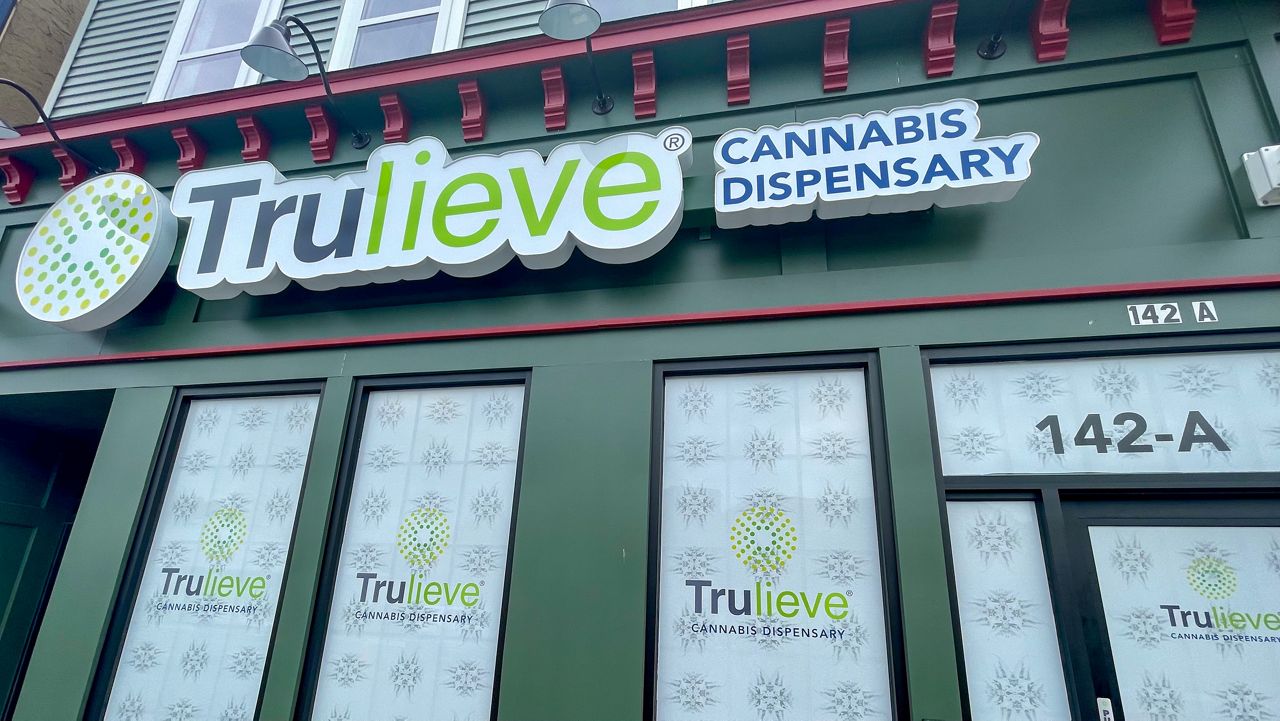
Trulieve is Florida’s and now National leader in vertical integration in Marijuana.

Trulieve, Florida’s largest medical marijuana operator, has made significant strides in the cannabis industry. Notably, they recently achieved a historic milestone by becoming the largest cannabis retailer in the United StatesThis achievement was made possible through their acquisition of Harvest Health & Recreation, a former competitor, in a deal worth $2.1 billion123. Trulieve’s success is attributed to its vertical integration approach. As a seed-to-sale company, Trulieve cultivates and produces all its cannabis products in-house. They distribute these products through their Trulieve-branded dispensaries across Florida and also offer direct home delivery to patients. Additionally, Trulieve operates in several other states, including California, Massachusetts, Connecticut, Pennsylvania, and West Virginia1.

Marijuana dispensary Trulieve opens second Mass. locationTheir combined income with Harvest Health & Recreation in the second quarter of the year was an impressive $317.6 million. Trulieve’s strategic moves, such as securing $350 million in debt financing and Harvest’s recent $55 million licensing sale in Florida, have contributed to their financial strength. Trulieve reported $215 million in cash and cash alternatives, while Harvest brought in $71 million during the same period. Together, they achieved a combined revenue of $318 million, making Trulieve the top public reporting cannabis company in the country1. Trulieve’s CEO, Kim Rivers, expressed excitement about the acquisition, emphasizing the shared values and focus on core markets. This strategic move allows Trulieve to expand into growing markets nationwide, including the adult-use space in Arizona. Their goal is to create an iconic U.S. cannabis brand and provide best-in-class service to patients and customers across the nation1. Furthermore, Trulieve has actively contributed to efforts aimed at pot legalization in Florida. They recognize the challenges faced by small business owners due to hefty application fees and the state’s vertical integration model. By supporting legalization, Trulieve aims to foster a more accessible and inclusive cannabis industry in the state4. In summary, Trulieve’s commitment to vertical integration, strategic acquisitions, and dedication to serving patients and customers has solidified its position as a leader in the cannabis industry, both in Florida and nationally.  

Kim Rivers, the CEO of Trulieve , has been a driving force behind the company’s substantial growth and strategic direction, especially in the context of recent federal rescheduling discussions and the company’s operational optimizations.

Trulieve CEO Kim Rivers to Give Keynote Address at Benzinga Cannabis ...

With her expected appearance at the Benzinga Cannabis Capital Conference in April in Hollywood, Florida, let’s dive into her expertise and what attendees can expect from Rivers at the conference.

Advocating For Federal Cannabis Reform

Rivers has been vocal about the potential impact of federal cannabis rescheduling on the industry. She highlighted the significant tax burdens cannabis businesses face due to current federal classifications.

Rivers expressed optimism about the Health and Human Services Department’s recommendation to the Drug Enforcement Administration regarding cannabis rescheduling. This change could significantly alleviate operational challenges for companies such as Trulieve​​​​.

Operational Growth And Expansion

Under Rivers’ leadership, Trulieve expanded dramatically, growing from 10 employees in one state to a presence in 11 states with 9,000 employees. Last year, Trulieve made seven acquisitions, including a billion-dollar merger with Harvest Health & Recreation Inc. This growth strategy increased Trulieve’s market presence and its ability to serve a broader customer base​​.

Optimizing Operations And Financial Efficiency

Following Trulieve’s first quarter 2023 earnings report, Rivers discussed the company’s approach to optimizing its portfolio and efficiencies across its platform.

Despite declining revenue, Trulieve reported record results for the 4/20 period and demonstrated a commitment to financial efficiency by significantly reducing selling, general, and administrative expenses.

Rivers emphasized the importance of aligning operations across the combined assets of the company’s acquisitions and the strategic management of facilities to match market demand​​.


Addressing Overproduction, Market Demand

Rivers also noted Trulieve’s achievements in improving gross margins and managing inventory levels, even in the face of overproduction challenges.

The company’s new 750,000-square-foot facility in Florida produced higher yields and quality than anticipated, showcasing Trulieve’s operational capabilities and commitment to product excellence​​.

Speaking At Benzinga Cannabis Capital Conference

Rivers is slated to be a speaker at the upcoming Benzinga Cannabis Capital Conference in April, where she will likely share more insights into Trulieve’s strategies, market perspectives and vision for the future of the cannabis industry. Her participation underscores her role as a thought leader in the cannabis space, offering valuable perspectives on navigating the complexities of the rapidly evolving market.

The CBD Effect on Cannabis

While Cannabis is a very crucial part of the Marijuana movement, we must remember that CBD is a complex field with ongoing research, legal considerations, and exciting technological advancements.

Cannabidiol (CBD) is a non-intoxicating cannabinoid compound that has been studied for its potential therapeutic effects on various psychiatric disorders 1A systematic review of neuroimaging studies investigating the acute impact of CBD on human brain function found that CBD induces significant alterations in brain activity and connectivity patterns during resting state and performance of cognitive tasks in both healthy volunteers and patients with a psychiatric disorder 1The review also found that acute CBD enhanced fronto-striatal resting state connectivity in healthy volunteers, both compared to placebo and THC 1. Furthermore, CBD modulated brain activity and had opposite effects when compared to THC following task-specific patterns during various cognitive paradigms, such as emotional processing, verbal memory, response inhibition, and auditory/visual processing 1In individuals at clinical high risk for psychosis and patients with established psychosis, acute CBD showed intermediate brain activity compared to placebo and healthy controls during cognitive task performance 1CBD modulated resting limbic activity in subjects with anxiety and metabolite levels in patients with autism spectrum disorders 1. CBD is thought to have neuroprotective effects due to how it interacts with CB2 receptors in the brain. CBD acts on these receptors by creating an anti-inflammatory response in immune cells in the brain. This reduces the amount of damage caused by inflammation in the brain. Oxidation is one of the most common causes of brain tissue damage 2. Inspirational Technologies is likely to be adopting AI on social media to improve the efficiency of their content creation and marketing campaigns. AI-powered tools can help marketers generate new content ideas, optimize social media campaigns, and measure brand and trends across each social media channel 1AI prompts for social media can help marketers overcome creative blocks and generate new post ideas 2AI can also enable personalized recommendations, create more efficient customer service, and analyze data in real-time to help improve overall marketing campaign performance 3. AI tools have taken the world by storm over the last few months, and for good reason. Tasks that used to take hours are now finished in just a few minutes. The results AI tools can produce are blowing people away 2. However, it’s important to note that there are also plenty of examples where AI completely misses the mark. The difference between “omg that’s amazing 😱” and “omg… that’s not right 😐” is usually a well-crafted prompt 2. In conclusion, AI can be a powerful tool for social media marketing, but it’s important to use it wisely and with a human touch. AI can help marketers save time and improve efficiency, but it cannot replace human creativity and empathy 1. IF12278 (congress.gov)   Inspirational Technologies history 2018 farm bill hempsmart mcoa ceo cannabis reformation florida 2024 ballot on recreational marijuana #IntheWeedswithSteve

Be patient Florida, this too, shall pass! Steven M Smith InspirationalTech.org CEO since 2013.

Thank you for consideration.
Inspirational Technologies
InspirationalTech.org for your Health Wellness Beauty and Inspirational Goals

For More Information on Cannabis and CBD and YOU.


AllRightsReserved2024

1st Hemp USA News is a resource of Inspirational Technologies (2024)
Continue reading Trulieve is Florida’s and now National leader in vertical integration in Marijuana.
Posted on Leave a comment

Most Floridians support legalizing adult-use cannabis.

The year is nearly coming to a close and little federal progress has been made regarding the legalized cannabis industry. In August, the U.S. Department of Health and Human Services (HHS) formally recommended reclassifying cannabis as a Schedule III controlled substance. Four months later, it is unclear if the Drug Enforcement Agency (DEA)Read DEA Chief’s Critical Memo Admonishing Trump

will heed the advice of the HHS or wait until the first quarter of the new year to reschedule cannabis under the Controlled Substance Act. However, there is a group of six governors who want to see cannabis rescheduled by year’s end. “We hope that [the] DEA will follow suit and reschedule cannabis to Schedule III this year, given that 88 percent of Americans are in favor of legalization for medical or recreational use. Rescheduling cannabis aligns with a safe, regulated product that Americans can trust,” a five-page letter signed by Governors Jared Polis (Colorado), JB Pritzker (Illinois), John Bel Edwards (Louisiana), Kathy Hochul (New York), Phil Murphy (New Jersey) and Wes Moore (Maryland) reads.

It is great to see state leaders acknowledge the benefits of cannabis and hold President Joe Biden accountable for his promises to decriminalize the plant. Reclassifying cannabis as a Schedule III substance under the Controlled Substance Act is an “overdue step” in the right direction. Though we are not expecting it until next year, it would be incredible if the DEA doesn’t wait until the ball drops and the calendar turns. The time is now.


GOP pushes back as recreational marijuana use begins in Ohio

At the direction and will of the voters, Ohio will enter the world of legalized adult-use cannabis in December. Adults over 21 years of age can possess up to 2.5 ounces of marijuana in plant form or up to 15 grams in extract form and grow up to six marijuana plants per adult.

“Marijuana is no longer a controversial issue,” Tom Haren, a spokesperson for the Coalition to Regulate Marijuana Like Alcohol, said. “Ohioans demonstrated this by passing State Issue 2 in a landslide. Ohioans are being extremely clear on the future they want for our state: Adult-use marijuana legal and regulated.”

Despite Ohioans voting to legalize of adult-use cannabis in November, state lawmakers are threatening to make significant changes to the state’s adult-use landscape. Most notably, the Republican-controlled Ohio Senate voted 28-2 to approve a measure that would tax cannabis sales at 15% and cut the number of cannabis plants residents can own in half.


“Ohioans will remember blatant disregard for the voters on marijuana. I have been a Republican my entire adult life, but I have never felt as disrespected or disenfranchised by my own party and my legislature as I do right now,” Ohio resident Tyler Ward wrote in a letter to the editors of The Columbus Dispatch.

The latest measure pushed through the Ohio Senate must be approved by the Ohio House of Representatives before it can be signed into law. In the meantime, the voters of Ohio and those in the other 49 states will be watching and hoping the lawmakers abide by the will of the people. That is what’s right for Democracy and for basic economics.

News broke this week that the initiative is now being fast tracked, with recreational marijuana sales now expected to commence within 90 days. It seems the compromise included a 15% excise tax and caps on potency, which are both illogical. We expect some serious unintended consequences around the potency cap with vape as just an initial example. The positive is that the market will quickly open with existing medical doors being able to sell adult use.


Most Floridians support legalizing adult-use cannabis

Less than four weeks stand between American voters and another eventful election year. Aside from the high-profile federal races, many will be watching the Sunshine State as state-level initiatives bring the topic of legalized adult-use cannabis to the forefront.

Florida has entertained the idea of adult-use weed legalization before, but each attempt has missed the mark for one reason or another. However, Florida has changed quite a bit since the most recent failed attempt at legalizing recreational cannabis use.

Will Florida Ever Legalize Recreational Marijuana? | Miami New Times

A recent survey conducted by the UNF Public Opinion Research Lab (PORL) found that 67% of Floridians would vote for an initiative that legalizes the possession and regulates sales of small amounts of cannabis for personal use among adults. Support was highest (77%) among adults between 18 and 24 years old, followed by Floridians between 55 and 64 (70%). While the survey sample size was limited to 716 respondents, it was surprising to see support among 35 to 44-year-olds sit below 60% and no data was presented about adults between 25 and 34.


“Unlike previous surveys when we simply asked if folks support or oppose [the] legalization of recreational marijuana, this time we gave respondents the specifics of the proposed amendment,” PORL Faculty Director Dr. Michael Binder said. “Yet again, it looks like (the amendment) has a good chance of passing, if it makes it through the courts, and that is a very big ‘if.'”

The results of the survey are consistent with the prevailing notion that young Americans nationally are very much in favor of ending cannabis prohibition. The future leaders of this country will bring about change despite efforts from the old guard who continues to hang on to their political positions.

More improvement could be made on California’s cannabis tax revenue

California, despite its many known challenges, remains the largest legal cannabis market in the world. Industry projections estimate California will make up 20% of the U.S. market by 2025 and be worth $5.4 billion by 2030.

This year, California’s cannabis market produced $285.1 million in tax revenue during the second quarter and $269.3 million during the third quarter. The market should be more desirable and implementing the following strategies could result in a more significant legal industry.

  • Access: Incentivize the many jurisdictions that have yet to allow for legal cannabis to open immediately.
  • Taxes: Cut the state’s excise tax down to 10%, as seen in many other adult-use legal states. It would also be beneficial to cap the tax rate that cities are also adding in.
  • Enforcement: Address the burning distribution license matter, that is currently allowing massive diversion to the illicit market and undercuts the legal market. The state is aware of this issue and public officials should address it immediately.

The state has our support as it takes steps toward enhancing its significant cannabis program. Some progress has been made, but there is always room for improvement, as no market is perfect. The state and its cannabis industry can tackle these issues, find solutions and provide citizens and legal industry participants with the healthy and thriving program they deserve.


#IntheWeedswithSteve

  Be patient Florida, this too, shall pass! Steven M Smith InspirationalTech.org CEO since 2013.

Thank you for consideration.
Inspirational Technologies
InspirationalTech.org for your Health Wellness Beauty and Inspirational Goals

For More Information on Cannabis and CBD and YOU.


AllRightsReserved2023

1st Hemp USA News is a resource of Inspirational Technologies (2023)
Continue reading Most Floridians support legalizing adult-use cannabis.