Understanding pain and recognizing that you are not alone.
Research tells us that 50 million Americans live with chronic pain, or pain that lasts most days or every day for three months or more. Of this group, 20 million experience high-impact chronic pain, or pain that interferes with basic functioning and activities of daily living. Pain is the number one reason that Americans access the health care system, and costs the nation up to $635 billion each year in medical treatments, disability payments, and lost productivity.
Yet despite these staggering numbers, chronic pain is vastly under-recognized, underfunded, and under-treated when considering its significant impact on American lives. Research, treatment options, and support for those affected individuals still lag behind other major diseases.
CBD (cannabidiol) has garnered attention as a potential remedy for various health issues, including pain management. Let’s delve into how CBD can help with inflammation, chronic pain, and arthritis:
CBD for Inflammation:
Research suggests that CBD may have a positive effect on inflammatory pain. Although many studies have been conducted on animals, their results may not directly translate to humans.
A 2020 review indicated that CBD could interact with neurological receptors in the spinal cord, potentially suppressing chronic inflammatory pain.
Additionally, CBD may increase levels of AEA (an endogenous cannabinoid), which is known to reduce pain.
CBD for Chronic Pain:
In a 2018 study, researchers evaluated CBD’s pain-relieving effects in individuals who experienced chronic pain after kidney transplants.
Six out of seven participants reported improvements in pain. Interestingly, one participant experienced more pain at higher CBD doses but found better pain management at lower doses.
CBD for Arthritis Pain:
Cannabinoids, including CBD, interact with receptors that influence pain and inflammation in the body.
While animal studies have suggested that CBD has pain-relieving and anti-inflammatory properties, these effects have not been conclusively validated in high-quality human studies.
Remember that CBD’s efficacy can vary from person to person, and it’s essential to consult with a healthcare professional before incorporating CBD into your pain management routine. Always check your local laws and regulations regarding CBD usage.
Steven M Smith InspirationalTech.org CEO since 2013.
Their combined income with Harvest Health & Recreation in the second quarter of the year was an impressive $317.6 million. Trulieve’s strategic moves, such as securing $350 million in debt financing and Harvest’s recent $55 million licensing sale in Florida, have contributed to their financial strength. Trulieve reported $215 million in cash and cash alternatives, while Harvest brought in $71 million during the same period. Together, they achieved a combined revenue of $318 million, making Trulieve the top public reporting cannabis company in the country1. Trulieve’s CEO, Kim Rivers, expressed excitement about the acquisition, emphasizing the shared values and focus on core markets. This strategic move allows Trulieve to expand into growing markets nationwide, including the adult-use space in Arizona. Their goal is to create an iconic U.S. cannabis brand and provide best-in-class service to patients and customers across the nation1. Furthermore, Trulieve has actively contributed to efforts aimed at pot legalization in Florida. They recognize the challenges faced by small business owners due to hefty application fees and the state’s vertical integration model. By supporting legalization, Trulieve aims to foster a more accessible and inclusive cannabis industry in the state4. In summary, Trulieve’s commitment to vertical integration, strategic acquisitions, and dedication to serving patients and customers has solidified its position as a leader in the cannabis industry, both in Florida and nationally.
Kim Rivers, the CEO of Trulieve , has been a driving force behind the company’s substantial growth and strategic direction, especially in the context of recent federal rescheduling discussions and the company’s operational optimizations.
With her expected appearance at the Benzinga Cannabis Capital Conference in April in Hollywood, Florida, let’s dive into her expertise and what attendees can expect from Rivers at the conference.
Advocating For Federal Cannabis Reform
Rivers has been vocal about the potential impact of federal cannabis rescheduling on the industry. She highlighted the significant tax burdens cannabis businesses face due to current federal classifications.
Rivers expressed optimism about the Health and Human Services Department’s recommendation to the Drug Enforcement Administration regarding cannabis rescheduling. This change could significantly alleviate operational challenges for companies such as Trulieve.
Operational Growth And Expansion
Under Rivers’ leadership, Trulieve expanded dramatically, growing from 10 employees in one state to a presence in 11 states with 9,000 employees. Last year, Trulieve made seven acquisitions, including a billion-dollar merger with Harvest Health & Recreation Inc. This growth strategy increased Trulieve’s market presence and its ability to serve a broader customer base.
Optimizing Operations And Financial Efficiency
Following Trulieve’s first quarter 2023 earnings report, Rivers discussed the company’s approach to optimizing its portfolio and efficiencies across its platform.
Despite declining revenue, Trulieve reported record results for the 4/20 period and demonstrated a commitment to financial efficiency by significantly reducing selling, general, and administrative expenses.
Rivers emphasized the importance of aligning operations across the combined assets of the company’s acquisitions and the strategic management of facilities to match market demand.
Addressing Overproduction, Market Demand
Rivers also noted Trulieve’s achievements in improving gross margins and managing inventory levels, even in the face of overproduction challenges.
The company’s new 750,000-square-foot facility in Florida produced higher yields and quality than anticipated, showcasing Trulieve’s operational capabilities and commitment to product excellence.
Speaking At Benzinga Cannabis Capital Conference
Rivers is slated to be a speaker at the upcoming Benzinga Cannabis Capital Conference in April, where she will likely share more insights into Trulieve’s strategies, market perspectives and vision for the future of the cannabis industry. Her participation underscores her role as a thought leader in the cannabis space, offering valuable perspectives on navigating the complexities of the rapidly evolving market.
The CBD Effect on Cannabis
While Cannabis is a very crucial part of the Marijuana movement, we must remember that CBD is a complex field with ongoing research, legal considerations, and exciting technological advancements.
In 2024, several states are poised to make significant strides in marijuana legalization. Let’s explore some of the key developments:
Wisconsin:
Despite past disagreements between Democratic Governor Tony Evers and Republican lawmakers, Wisconsin is a strong contender to legalize medical cannabis this year.
Governor Evers has expressed openness to a more limited medical cannabis program proposed by Republicans, which would initially allow for five stores to sell non-smokable cannabis products1.
Virginia:
Virginia lawmakers have already passed legislation that will legalize marijuana in 2024.
Starting January 1, 2024, possession of up to an ounce of marijuana will be legal, and regulations will be implemented to control the marijuana marketplace in the state2.
Other States:
While these two states stand out, there are other states with unfinished business in terms of cannabis policy.
Some states are likely to take up medical cannabis legalization, while others may move toward adult-use legalization.
Additionally, campaigns are underway in Florida, Idaho, Nebraska, and South Dakota to put legalization questions before voters in the November 2024 election1.
Remember, the landscape of cannabis legalization is dynamic, and attitudes are shifting. Whether through legislative action or citizen initiatives, we’re witnessing progress toward a more inclusive and informed approach to cannabis policy across the nation.
Now, Let’s delve into the world of CBD (cannabidiol) and explore various aspects related to it:
CBD Stigma:
Despite its growing popularity, there remains a stigma surrounding CBD. This stigma often arises from misconceptions and lack of understanding.
Some people associate CBD with the psychoactive effects of THC (tetrahydrocannabinol), even though CBD itself does not cause a “high.”
Efforts are being made to change this perception and educate the public about the potential benefits of CBD.
Research on CBD:
CBD has gained attention for its potential therapeutic properties. Early studies suggest it may help with anxiety, pain relief, and neurological conditions.
The FDA has approved a prescription drug called Epidiolex, which contains CBD as an active ingredient, specifically for treating certain types of epilepsy.
However, more research is needed to fully understand CBD’s benefits and safety.
State Legality of CBD:
The legality of CBD varies by state. Some states fully embrace CBD, while others impose restrictions.
Federally, CBD derived from hemp (with less than 0.3% THC) is legal. However, CBD derived from cannabis remains a Schedule 1 substance.
State laws play a crucial role in determining how CBD can be used, sold, and accessed.
Inspirational Technologies on CBD:
The CBD industry is evolving, and technology is playing a significant role.
Innovations include:
Smart Vaporizers: These allow precise control over temperature and dosage.
Concentrated Minor Cannabinoids: Companies are exploring over 100 minor cannabinoids found in hemp plants, such as CBN and CBG.
Regulatory Changes: Legislation could pave the way for marketing CBD as a dietary supplement, expanding distribution channels.
Big-Box Retail Access: CBD products may soon hit mainstream brick-and-mortar retail stores.
In summary, CBD is a complex field with ongoing research, legal considerations, and exciting technological advancements.
As cannabis legalization continues to expand across the globe, more and more hotels and resorts are catering to cannabis enthusiasts. This year, travelers can look forward to a wide range of cannabis-friendly accommodations that provide a unique and enjoyable experience. From luxury resorts with designated smoking areas to boutique hotels offering curated cannabis menus, there will be plenty of options for those seeking a cannabis-friendly getaway.
The Lexi is the first cannabis-friendly establishment on the famed Strip. With its sleek and modern design, The Lexi aims to redefine the concept of cannabis-friendly accommodations. Guests can expect top-notch amenities such as in-room vaporizers and personalized cannabis concierge services. The Lexi’s prime location on the famed Strip ensures easy access to nearby dispensaries and a vibrant nightlife scene. They make it the ultimate destination for cannabis enthusiasts in 2024.
The Scotia Lodge is a 100-year-old boutique hotel situated just above the northern entrance to the Avenue of the Giants in Scotia. It offers a unique blend of historic charm and modern luxury. With its recent renovation in 2021, the hotel now boasts 22 beautifully designed guest rooms and suites. They provide a comfortable and stylish retreat for guests. Cannabis enthusiasts in 2024 will be delighted to know that Scotia Lodge is cannabis-friendly. The hotel provides a designated smoking area where cannabis enthusiasts can enjoy their favorite strains.
RoMarley is a seaside paradise for cannabis fans who want to get away to the tropics. In the beautiful Riviera Maya, this one-of-a-kind retreat offers guests a variety of luxury lodging and services to help them enjoy their love of cannabis. As an exclusive beach club, this cannabis-friendly retreat offers something new. This environment allows guests to get lost in the spirit of paradise.
RoMarley Beach House offers private smoking places and guided cannabis experiences to make sure that all marijuana fans have a great and relaxing holiday.
The Arrowhead Manor, a boutique hotel in Morrison, allows guests to smoke weed in the outdoor patio, and will book a cannabis-infused chef upon request. Guests at The Arrowhead Manor can indulge in their love of cannabis while enjoying the breathtaking views from the outdoor patio. For those looking for a truly unique culinary experience, the hotel also offers the option to book a cannabis-infused chef, ensuring a relaxing and flavorful stay. Any licensed and open option requires planning and traveling.
The Flying Pig Downtown Hostel – Amsterdam
The Flying Pig Downtown Hostel in Amsterdam is a popular choice for budget travelers looking to explore the vibrant city. Located in the heart of Amsterdam, this hostel offers affordable accommodations without compromising on comfort and cleanliness. Guests can light up their favorite type of weed, have a drink, and talk with other guests and staff. They also have a nice little deck outside.
#IntheWeedswithSteve Be patient Florida, this too, shall pass! Steven M Smith InspirationalTech.org CEO since 2013.
Minnesota Office of Cannabis Management (OCM) predicts that the state will need at least 381 dispensaries to meet the requirement for local governments to provide at least one retail shop per every 12,500 residents.
Though Minnesota legalized recreational marijuana in August 2023, tribal lands were the first and only to launch legal cannabis sales shortly thereafter when the White Earth Nation Tribal Council began to sell on the reservation to both tribal and nontribal members the first week of August.
The OCM anticipates dispensaries will launch retail sales next year, once the office issues applications and establishes regulations for retailers.
In its report, issued earlier this week, the regulatory body noted that the situation is complicated by the absence of a well-regulated market for fully legalized marijuana.
“It is impossible at this time to understand the necessary supply of cannabis vs. hemp needed to accommodate total demand without further research,” the report authors wrote. “Until the adult-use market is launched and sales for both types of outlets can be thoroughly assessed, estimates of adequate product supply and outlets for the adult-use program will likely be inaccurate.”
Lack Of Regulated Cannabis Sales Boosts Illicit Market
The report also stressed that more Minnesotans are turning to illicit sources to obtain marijuana.
The “high prevalence of obtaining cannabis from a dealer, an illicit source, among Minnesota residents,” can be attributed to the absence of “legal adult-use sources,” according to the report.
Simultaneously, OCM is working on an interagency plan to put an end to hemp retailers that are selling marijuana buds that exceed the state’s limit of 0.3% delta-9 THC as industrial hemp, reported Hemp Today.
The regulators are allegedly exploring the possibility of involving inspectors from the Office of Medical Cannabis and the Department of Agriculture to look into the sales of these products.
#IntheWeedswithSteve Be patient Florida, this too, shall pass! Steven M Smith InspirationalTech.org CEO since 2013.
Half of all U.S. states have fully legalized marijuana and there are only six states where it is fully illegal — Kansas, Idaho, Nebraska, Wyoming, North Carolina and South Carolina (though cannabis is decriminalized in North Carolina and Nebraska).
It’s a cultural shift that has been decades in the making.
California became the first state to experiment with legal cannabis when it made medicinal marijuana legal in 1996. Maine, Hawaii, Nevada and Colorado followed suit over the next five years, allowing their citizens to also purchase medical cannabis.
The U.S. government gives the Drug Enforcement agency over $3 billion a year to fight its war on drugs, so a state openly defying the government’s edict against the plant was extremely radical at the time.
But between then and now, there was nearly two decades on no movement on the issue as the United States’ archaic federal laws against the growth and distribution of cannabis held firm.
But then in 2014 Colorado and Washington took it a step further than California did and became the first states in the union to legalize the recreational use and sale of marijuana.
That year, about 22.2 million Americans aged 12 or older reported current cannabis use, according to a national survey.
It turned out those two states legalizing recreational use represented the start of a newly energized cannabis movement in the United States. Since then, nearly two dozen states have also legalized recreational marijuana.
Washington and Colorado set the example
More than two-thirds of Americans polled by Gallup support legalizing marijuana. The 70% rate of support reached a record-high in October this year. Gallup has been issuing that cannabis poll since 1969.
Back then, just 12% of Americans admitted supporting the legalization of weed.
Gallup’s poll results also show the influence Colorado and Washington’s move to end prohibition in their states in 2014 helped spur the rapid adoption by the next 23 states.
While public support for cannabis legalization crossed the 50% mark for the first time in 2013, jumping up to 58% from 48% in 2012, it fell back down to 51% in 2014.
But since that year, support for legalizing marijuana has ballooned to the levels seen today.
“Although some health organizations and political commentators have raised concerns about the medical risks of marijuana, this hasn’t blunted the public’s desire for legalization thus far,” Gallup said.
“For now, the high level of support among younger adults suggests national backing will only expand in the years ahead, likely resulting in more states, and perhaps the federal government, moving to legalize it.”
Money is a major issue
If you think cannabis legislation moves slowly only at the federal level, you’d be wrong.
It took Hawaii, for instance, 20 years to graduate from legalizing medical marijuana — it was the first state to do so through a state legislature vote — to decriminalizing use of the plant in 2019.
While the journey has been long, the real inflection points for legalization came during the pandemic.
Shutting down the economy for over two years exposed and stressed many of the cracks in local economies that had been able to be hidden previously, and the money from taxes on cannabis (along with gambling) suddenly became more palatable for politicians who objected to legalization on moral grounds (see: John Boehner for reference).
Since 2020, Vermont, Arizona, Montana, New Jersey, South Dakota (later reversed by a circuit court judge) New York, Virginia, New Mexico, Connecticut, Rhode Island, Maryland, Missouri, Delaware, Minnesota, and Ohio have all legalized recreational marijuana.
Alabama, South Dakota, Mississippi (reversed by the Supreme Court of Mississippi) and Kentucky have legalized medical cannabis since then while Louisiana decriminalized the drug.
Maryland launched its adult-use cannabis industry in July this year and is seeing sales of $89.5 million a month. Thanks to the state’s 9% excise tax on adult use cannabis sales, the state has also received tens of millions of tax dollars it did not have access to last year.
So the economic case for legalizing cannabis is apparent for the states that are now participating. But for the rest of the country, it may take the federal government changing its laws in order for them to get on the cannabis train.
#IntheWeedswithSteve
Be patient Florida, this too, shall pass! Steven M Smith InspirationalTech.org CEO since 2013.


 Steven M Smith InspirationalTech.org CEO since 2013.
 InspirationalTech.org for your Health Wellness Beauty and Inspirational Goals
 1st Hemp USA News is a resource of Inspirational Technologies (2024)
 Continue reading Hempy St. Patrick’s Day – Pot of Gold Jackpot, in Understanding pain and recognizing that you are not alone.
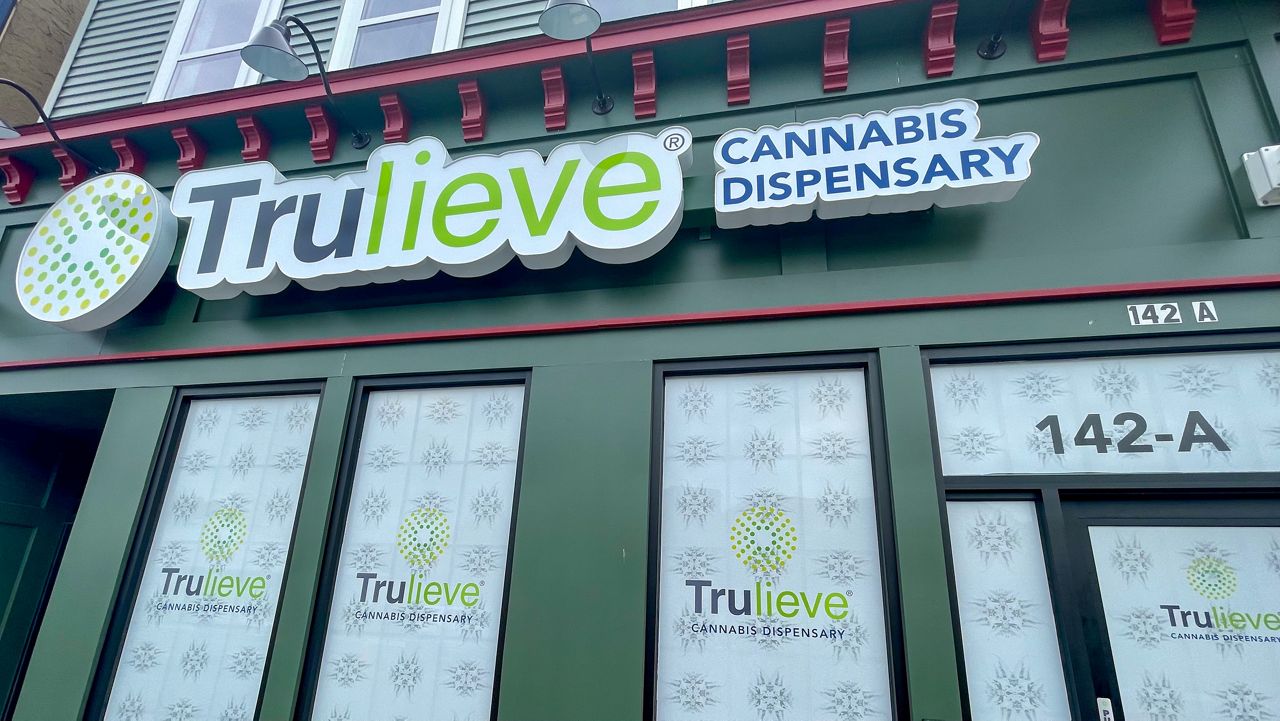 Their combined income with Harvest Health & Recreation in the second quarter of the year was an impressive $317.6 million. Trulieve’s strategic moves, such as securing $350 million in debt financing and Harvest’s recent $55 million licensing sale in Florida, have contributed to their financial strength. Trulieve reported $215 million in cash and cash alternatives, while Harvest brought in $71 million during the same period.


You must be logged in to post a comment.