Geoff Whaling, chair of the National Hemp Association, joins us on the Industrial Hemp Podcast this week to talk about NHA’s priorities for what they’d like to see in the 2023 Farm Bill.
Topping that list is the bifurcation, or division, of the hemp industry, Whaling said, with legislation that would create a sub-definition of industrial hemp grown for fiber and grain, making it easier for row crop farmers to add it to their current rotations of crops like corn, soy and wheat.
Currently, hemp farmers are subject to expensive permitting fees, FBI background checks and finger printing, and costly on-farm government testing of cannabinoid content in the field.
Whaling said these requirements are barriers to the industry that keep farmers from growing industrial hemp at a scale that can establish a robust domestic hemp industry, because farmers are being treated like criminals for wanting to grow a commodity crop that can be used for food, feed, fuel, fabric and more.
Whaling said NHA supports the CBD industry. “I don’t want to negate the importance that cannabinoids have in this marketplace,” but it’s important for the two sides of the industry to be regulated differently.
Whaling said the industry faces difficult educational challenges with the public and, almost more importantly, with lawmakers.
“We would go into senators’ offices who were leaders in this space, and their staff did not know or believe that you could plant hemp as a row crop,” he said.
Last month, Sens. Jon Tester, D-Mont., and Mike Braun, R-Ind., introduced the 2023 Industrial Hemp Act, which would remove the barriers for farmers who want to grow hemp as a commodity crop rather than a specialty crop, the way CBD hemp is grown.
If the bill does not pass as a stand-alone piece of legislation, Whaling is hopeful it will be added to the 2023 Farm Bill.
Another priority for NHA is hemp for animal feed.
“We get this question all the time, why is it OK for us to eat hemp hearts, we as humans, but it’s not OK for us to give that to our dogs?” Whaling said.
“It’s a good question. But the reality is the authority for all things that are consumed by us or consumed by animals that go into the human chain is left squarely with the FDA,” he said.
He said state governments are taking this into their own hands, passing various legislation allowing for hemp to be used in feed for domestic animals, but Whaling said this issue deserves to be solved at the federal level, rather than by a patchwork of state laws across the country.
“It most definitely is that patchwork approach,” he said. “And we know that it didn’t work very well for cannabinoids. And I think that if we were able to move this forward on a national program, then all citizens would be able to participate.”
Whaling also spoke about the work NHA is doing around the world to develop the hemp industry and to help build the market for carbon credits.
While the industry has its challenges, Whaling remains hopeful as ever.
“Five years from now, we’ll still be researching the potential of industrial hemp,” he said. “Ten years from now, we’ll be well on our way to a multibillion-dollar industry.
“And 20 years from now, when I’m long gone, hemp will be everywhere and people will be saying, what was the big deal?”
Now That Weed is Mostly Legal, Hemp Should Be Booming. But It’s Not
When Inspirational Technologies is an endorsement of the “Cannabis” approach to the medical condition, we say, let’s let the look at the data and the people who say that they benefit for cannabis alternatives.
1st Hemp USA News is a resource of Inspirational Technologies (2021-2023)Inspirational Technologies (2023) AllRightsReservedYour ONE STOP BLOG FOR INFORMATION, EDUCATION, & INSPIRATION OF ESSENTIAL INNOVATION & RENOVATION of You-THANK YOU FOR YOUR INTEREST*This site receives virtually no compensation for sales of some or all mentioned products. We however place humanitarian value over monetary interests. Our monetary income goes back into research, development, discovery and healing.Inspirational Technologies – is Committed to Your Health Wellness Beauty and EnrichmentReporting on Today’s Internal Botanical and Skin Product Benefits
4 Hemp Club was Inspired by Steven Smith’s vision to “Have an older generation 4H Club, where an older community of adults could carry on what the younger 4H Club envisioned.
Our 4H Platform Uses HEMP as an Agricultural Focal Point, deserving of research, development and with the
4 Hemp key points being Health Hope and Happiness, thru Hemp“.
Cannabis CBD and Me Inspirational Technologies Inspirational Technologies (2014) @Inspire123tech Background Noise Studios Logos bySteven M Smith
Over the past month, hemp entrepreneurs have traveled to the Florida State Capitol to advocate against a proposal to regulate hemp-derived products that could potentially hurt the hemp industry.
But Monday, many of those same professionals were cheering after the sponsor of the latest version of the bill removed any reference to limiting the THC dosage of those hemp-derived products. THC is the compound in the cannabis plant that can get you high.
In a committee meeting Monday, Manatee County House Republican Will Robinson Jr. said: “All caps are O.U.T., Out.”
Robinson was responding to a colleague, Democrat Anna Eskamani, of Orlando, on the committee. Robinson confirmed to her that his new amendment to the legislation would remove any references to capping the amount of THC in hemp products.
That means that products in hemp stores are not going to be affected in terms of their potency to consumers.
At the same time, the bill is still moving on issues regarding safety. The measure still maintains the safety requirements to keep products like Delta-8 THC out of the hands of those under age 21, provisions that aren’t remotely controversial and have been embraced by virtually everyone who has testified in three previous committee meetings held in the House and Senate.
“We’ve sure come a long way on this one,” said Florida Cannabis Action Network president Jodi James.
“You did a great job – saved a lot of businesses,” added William Clark from the Libertarian Party of Florida.
Carlos Hermida owns a hemp dispensary in Tampa and has attended previous committee meetings about the bill. He opted not to travel to Tallahassee Monday when he saw Robinson’s amendment added to the legislation last Friday.
“The public spoke and Robinson listened!” Hermida told the Phoenix in a text message. “I can’t help but be thankful to the representative for protecting the hemp industry and protecting our children.”
As originally written, Robinson’s bill HB 1475 (as well as a similar version in the state Senate) set limits on how much THC could be included per serving and per package of hemp products. Robinson raised the limits after the bill received its first hearing in a House committee, but hemp advocates said the limits still were far too low and would have made hemp-derived products less potent for consumers to purchase and thus threaten their businesses.
Robinson admitted that “there is more work to be done in this space,” but said that it was also a great indication that the committee process works. “It’s very important to take input from stakeholders and others,” he said.
The measure was unanimously approved by the House Infrastructure Committee, its third and final committee and now will go to the House floor. Its Senate equivalent (SB 1676) is scheduled to go before the Fiscal Policy Committee on Thursday of this week.
Hemp absorbs twice as much carbon per hectare of land than a forest does, and hemp-derived products can be used to replace paper, petroleum-based plastics, and cotton fibers.
In 2021, the U.S. hemp market was reported to be worth $824 million in 2021. By 2030, the global hemp market is predicted to be worth $17.24 billion.
The 2023 Farm Bill offers an opportunity to iron out ambiguities surrounding hemp production that will benefit farmers and stabilize the market. The upcoming Farm Bill is also an opportunity to create hemp policies that recognize the historical injustices that Indigenous and Black farmers have experienced.
Across the aisle, the question of how to handle the production of industrial hemp, a newly legalized crop, is on legislators’ minds. As the 2023 Farm Bill begins to come into focus, this carbon-sequestering plant has the potential to reshape U.S. agriculture.
Hemp absorbs twice as much carbon per hectare of land than a forest does, and hemp-derived products can be used to replace paper, petroleum-based plastics, and cotton fibers. But hemp, a strain of the Cannabis plant (from which marijuana is derived), was previously considered a Schedule I substance—the most highly regulated narcotics under the Controlled Substances Act.
The 2014 Farm Bill (P.L. 113-179) legally distinguished hemp from marijuana by defining hemp as having a delta-9 tetrahydrocannabinol (THC) level below 0.3 percent, which is insufficient to produce narcotics. But it limited hemp cultivation to research purposes only. The 2018 Farm Bill (P.L. 115-334) relaxed many restrictions and established the Domestic Hemp Production Program, making it easier for farmers to grow and sell hemp. The legalization of hemp cultivation in the United States has allowed farmers to employ the crop to promote sustainable farming practices and produce sustainable alternatives to plastics and other materials.
The 2023 Farm Bill can serve as an opportunity to ensure hemp is cultivated and produced to its fullest potential. Ambiguities in federal laws must be addressed to ensure that the hemp market, which was reported to be worth $824 million in 2021, continues growing.
Power to the Plant
Much of hemp’s appeal as a sustainable solution stems from its carbon sequestration rate. In an interview with Dezeen, Cambridge University researcher Darshil Shah stated that hemp can capture between 10 and 15 tons of atmospheric carbon dioxide (CO2) for each hectare of cultivation, a rate twice that of forests. Its fast growth rate means that farmers have the opportunity to harvest hemp multiple times per year, priming it for climate mitigation efforts.
Hemp’s high yields hold the promise of replacing other fiber- and oil-producing plants. According to the National Hemp Association, one acre of hemp produces double the amount of oil than an acre of peanuts does, and it also produces four times as much fiber pulp used for paper than an acre of trees does. When processed, every part of the hemp plant can be used for a wide range of products, including biofuels and textiles.
The wide range of versatile hemp-derived products has the potential to address U.S. reliance on plastics, fossil fuels, and cotton, by serving as a sustainable replacement. Currently, the Center for International Environmental Law predicts that plastic consumption will continue increasing and account for 20 percent of oil consumption by 2050. Hemp, however, offers a naturally biodegradable alternative that can replace petroleum-based plastic materials on both the commercial and industrial scale. Alongside bioplastics, hemp has gained prominence being a durable alternative to cotton, as it requires less land and around half of the water cotton crops need. Beyond clothing and plastics, hemp has been used in construction with products like hempcrete, and its seeds have been used in cosmetics and in food for their nutritional value. With this plethora of sustainable benefits, hemp has the potential to reshape more than just agriculture.
Moreover, the carbon sequestration of hemp has the potential to reduce greenhouse gas (GHG) emissions from U.S. agriculture—which the EPA estimated accounted for 11.2 percent of total U.S. GHG emissions in 2020. By offering sustainable alternatives to high-emission products, hemp cultivation could help the United States meet its climate goals.
Addressing Diversity in Farming via Hemp
Though the legislative focus on industrial hemp has been relatively recent, Indigenous peoples have been farming hemp long before it was legalized in the 2014 Farm Bill. Yet, current hemp legislation and its enforcement do not quite recognize this—nor do they treat Indigenous farmers equally to their white counterparts.
In 2015, the Drug Enforcement Administration (DEA) seized 30,000 hemp plants and invaded sovereign land belonging to the Menominee Indian Tribe of Wisconsin, claiming that these plants violated the law as they were intended to produce marijuana. The Menominee Indian Tribe of Wisconsin filed a lawsuit against the DEA agents for the destruction of their crops. They claimed that they were legally growing hemp on their lands for research by the College of the Menominee Tribe, yet the judge agreed with the DEA’s attorney and dismissed the lawsuit.
This case is an example of how the enforcement of hemp legislation is complicated by the history of Indigenous land dispossession by the U.S. government. Environmental activist and member of the Ojibwe tribe Winona LaDuke is advocating for both the environmental benefits and social benefits of hemp policy crafted with respect to communities of color, their histories, and their beliefs.
Writing for the Esperanza Project, LaDuke spotlights how plots of hemp qualify as carbon sinks, with the plant itself being capable of replacing carbon-intensive materials. LaDuke notes that these qualities offset GHG emissions, which prompts ecological restoration that can be led by young Indigenous leaders. Thus, there is potential for hemp production to provide added income to Indigenous communities and act as part of a path toward a sustainable, circular economy.
The hemp market is predicted to continue to grow and reach a global value of $17.24 billion by 2030. With this growth comes the opportunity for more farmers to get involved—farmers such as Indigenous and Black farmers who have been traditionally left behind by agricultural policies. Hemp can be grown on small plots of land, a trait beneficial for farmers of color who typically do not own the same large expanses of land that their white counterparts do.
Black and Indigenous communities in the United States have faced a history of exclusion from land ownership and economic opportunities, and this history has shaped their access to agriculture today. According to a 2012 USDA report, only 1.4 percent of the country’s 3.2 million farmers are Black farmers as a result of discrimination from lending institutions, including the USDA. Black farmers are hoping to see hemp policy address historical injustices in agriculture.
A change to hemp licensing would be a first step to addressing historical injustices. Federal law requires farmers applying for hemp licenses to not have had a drug felony in the past 10 years. As the Drug Policy Alliance reports, Black and Latinx people are more likely to have marijuana-related drug felonies which, under this policy, further excludes them from harvesting the benefits of hemp.
A lack of hemp education is another issue affecting both Black and Indigenous farmers that hemp policy could address. The Pew Charitable Trusts has reported on organizations forming to educate people on hemp, what it is, and how to acquire a license for it. Such education could be undertaken by the federal government to ensure that hemp production is inclusive and sustainable for all.
Hemp’s Future in the Farm Bill
The Farm Bill has always been an opportunity for policymakers to address agricultural and food issues on a federal level. The federal government defined industrial hemp, differentiating it from marijuana, and developed the Hemp Research Pilot program to legalize hemp cultivation for research purposes in the 2014 Farm Bill. Outside of research, hemp production was still illegal under federal law. The 2018 Farm Bill legalized hemp cultivation outside of pilot products, though it also restricted the THC content of hemp plants.
Ahead of the 2023 Farm Bill, the House Agriculture Subcommittee on Biotechnology, Horticulture, and Research held a congressional hearing to see how the next Farm Bill could improve hemp production. In this hearing, the need for clear regulations around CBD (the active ingredient in cannabis derived from hemp plants) and for stronger supply chain processing were highlighted, alongside further opportunities for hemp-derived products within climate markets.
Frustration and confusion around CBD laws has been a topic of concern for hemp farmers since the 2018 Farm Bill. Now, it is one of the issues hemp industry advocates hope to see addressed in the 2023 Farm Bill. Beyond CBD, the National Hemp Association is hoping to see three other major changes. It is advocating for a specific carve-out for hemp grain and fiber to develop a framework for promoting these products, for hemp grain to be allowed as animal feed to support farmers, and for the THC limit to be raised to one percent instead of 0.3 percent. Raising the THC limit has been discussed by numerous hemp organizations and farmers, as a one percent limit provides leeway and lessens the need for crops to be destroyed.
The National Law Review highlights further hemp-related changes that may be included in the 2023 Farm Bill, one of which being the revision of the broad definition of hemp. Currently, only delta-9 THC has been regulated in the 2018 Farm Bill, and there are worries that this is a loophole for unregulated hemp sales of other kinds of THC. Moreover, federal laws do not address what happens when the THC level of raw hemp exceeds the 0.3 percent allowed, even if it is ultimately processed into a product that will have a lower THC percentage (this is often referred to as “in-progress” hemp).
With many organizations highlighting the need to iron out ambiguities surrounding hemp laws, the 2023 Farm Bill may be the prime opportunity to do so. Including smart hemp production and cultivation policies in the 2023 Farm Bill has the potential to make the hemp industry more sustainable, inclusive, and profitable.
Author: Lynlee Derrick
We, at Inspirational Technologies are at the forefront of Inspirational and Frontrunners on the frontier of current technology. We are often faced with our own personal conflicts which directly influence our interactions with our peers and family.
When Inspirational Technologies is an endorsement of the “Cannabis” approach to the medical condition, we say, let’s let the look at the data and the people who say that they benefit for cannabis alternatives.
1st Hemp USA News is a resource of Inspirational Technologies (2021-2023)Inspirational Technologies (2023) AllRightsReservedYour ONE STOP BLOG FOR INFORMATION, EDUCATION, & INSPIRATION OF ESSENTIAL INNOVATION & RENOVATION of You-THANK YOU FOR YOUR INTEREST*This site receives virtually no compensation for sales of some or all mentioned products. We however place humanitarian value over monetary interests. Our monetary income goes back into research, development, discovery and healing.Inspirational Technologies – is Committed to Your Health Wellness Beauty and EnrichmentReporting on Today’s Internal Botanical and Skin Product Benefits
4 Hemp Club was Inspired by Steven Smith’s vision to “Have an older generation 4H Club, where an older community of adults could carry on what the younger 4H Club envisioned.
Our 4H Platform Uses HEMP as an Agricultural Focal Point, deserving of research, development and with the
4 Hemp key points being Health Hope and Happiness, thru Hemp“.
Cannabis CBD and Me Inspirational Technologies Inspirational Technologies (2014) @Inspire123tech Background Noise Studios Logos bySteven M Smith
Members of the Texas House of Representatives advanced legislation today seeking to expand the pool of patients eligible to obtain state-licensed cannabis products.
Lawmakers voted by a nearly five to one margin in favor of the legislation, House Bill 1805. Specifically, it amends the Texas Compassionate Use Program so that physicians may recommend certain products containing fixed levels of THC to patients with “a condition that causes chronic pain, for which a physician would otherwise prescribe an opioid.” It also empowers state health officials, rather than lawmakers, to add additional qualifying conditions. Currently, patients with autism, ALS, cancer, incurable neurological disorders, intractable epilepsy, multiple sclerosis, post-traumatic stress, and seizure disorders are eligible to obtain low-THC medical cannabis products.
The measure also amends limits on the amount of THC that may be present in state-licensed products.
“I am thrilled to see the proposed legislation advancing through the legislative process,” said NORML State Policies Manager Jax James, who also serves as Executive Director for Texas NORML. “Medical cannabis is an objectively safer alternative to the array of pharmaceutical drugs that it could potentially replace. I urge my fellow Texans to voice their support for this important legislation and to reach out to their Senators to encourage their backing as it moves through the legislative process.”
Texas lawmakers initially enacted legislation establishing the Compassionate Use Program in 2015. In 2021, legislators expanded the program to allow patients with PTSD and all forms of cancer to qualify for medical cannabis. That legislation also raised the limit on permissible levels of THC in licensed products from 0.5 percent to one percent.
When Inspirational Technologies is an endorsement of the “Cannabis” approach to the medical condition, we say, let’s let the look at the data and the people who say that they benefit for cannabis alternatives.
1st Hemp USA News is a resource of Inspirational Technologies (2021-2023)Inspirational Technologies (2023) AllRightsReservedYour ONE STOP BLOG FOR INFORMATION, EDUCATION, & INSPIRATION OF ESSENTIAL INNOVATION & RENOVATION of You-THANK YOU FOR YOUR INTEREST*This site receives virtually no compensation for sales of some or all mentioned products. We however place humanitarian value over monetary interests. Our monetary income goes back into research, development, discovery and healing.Inspirational Technologies – is Committed to Your Health Wellness Beauty and EnrichmentReporting on Today’s Internal Botanical and Skin Product Benefits
4 Hemp Club was Inspired by Steven Smith’s vision to “Have an older generation 4H Club, where an older community of adults could carry on what the younger 4H Club envisioned.
Our 4H Platform Uses HEMP as an Agricultural Focal Point, deserving of research, development and with the
4 Hemp key points being Health Hope and Happiness, thru Hemp“.
Cannabis CBD and Me Inspirational Technologies Inspirational Technologies (2014) @Inspire123tech Background Noise Studios Logos bySteven M Smith
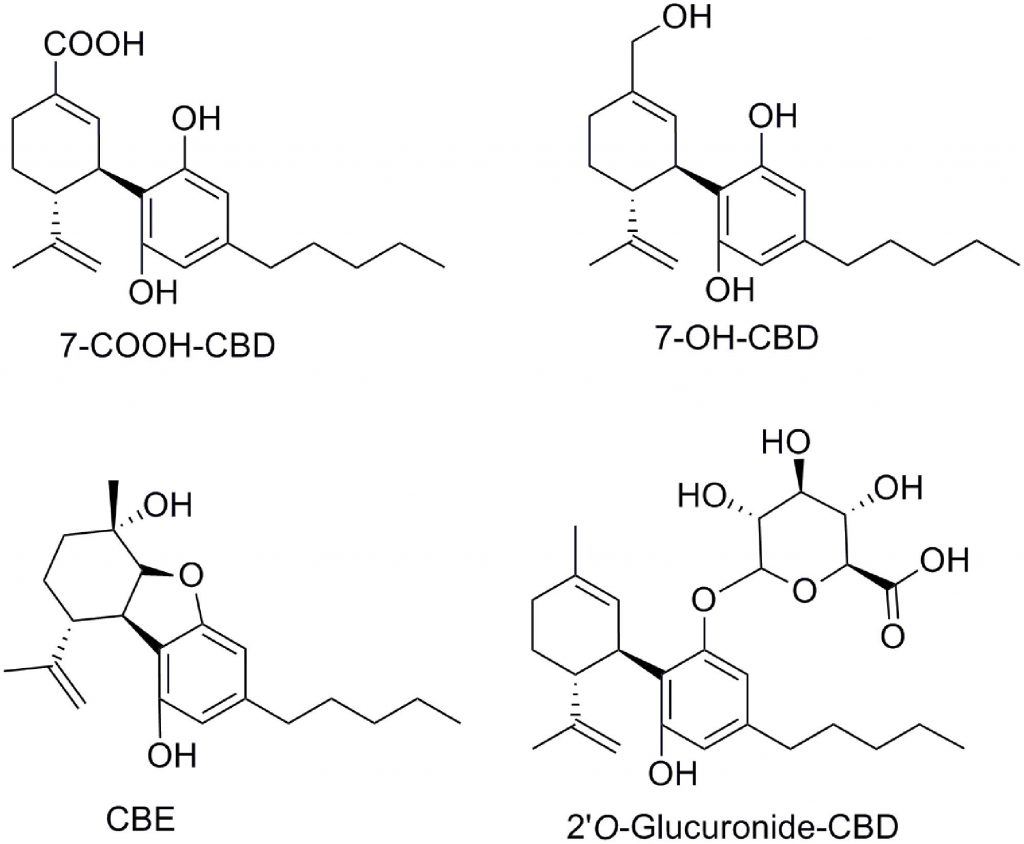
Reported on the much-discussed scientific discovery of a THC analog thirty times more efficacious than the infamous D9-THC. An earlier study found THCP, as well as CBDP, which are larger forms of THC and CBD, respectively. Now, the same team of researchers from Italy bridged a gap between regular CBD and CBDP. They found a unique form of THC as well as CBDH, a new cannabinoid for pain.
The size of the cannabinoid depends, mostly, on the number of carbon atoms. Regular THC and CBD have side chains that consist of five carbon atoms, and the ‘phorol‘ cannabinoids contain seven. Whereas, CBDH (cannabidihexol) is a hexyl cannabinoid with a six-carbon sidechain. (1)
NEW THC FOUND WITHOUT LUCK
Adding to the discovery, the team also found THCH (Δ9– tetrahydrocannabihexol). However, the quantity they collected was insufficient for further tests. It is still unknown if THCH is an intoxicant; potent like THC or even THCP. In any case, the new variants came as no surprise considering a cannabinoid that resembles THCH was synthesized in 1949. This artificial substance, known as parahexyl, is psychoactive and similar in structure to THCH. So, the researchers decided to check. They had to make sure they were looking at new natural analogs of THC and CBD, not some previously known methylated groups.
The Regional European Development Fund financed the research project in Florence, Italy. The team studied a strain known as CIN-RO, which was bred by the Council for Agricultural Research and Economics (CREA) in Rovigo, Italy. And like all cannabis approved for research in the boot-shaped nation, the Italian Military cultivated and provided the cannabis.
Stabilimento Chimico Farmaceutico Militare
CBDH OR BUST
When the team isolated CBDH, on the other hand, they collected enough to study its effects on mice. Interest that the researchers took in CBDH in this study contrasted the team’s research on phorol cannabinoids (THCP) one year prior. The earlier scientific discovery disregarded CBDP for its lack of cannabinoid receptor activity. But, regular CBD, with a five-carbon chain, lacks true activity at the cannabinoid receptor and instead has an allosteric relationship that took decades for man to truly appreciate. Now, the market is flooded and stocks have gone to mushrooms.
ORIGINS OF AN ANALGESIC CANNABINOID
Thankfully, without enough THCH on hand, the researchers took interest in CBDH and the new cannabinoid’s effect on pain. CBDH produced strong antinociceptive (painkilling) properties in mice at an (intraperitoneal) dose of one and two milligrams per kilogram. Interestingly, that effect was void at a higher dose of five milligrams per kilogram. The low dose is on par with regular CBD, but CBDH has atypical effects at larger doses which suggests a biphasic effect.
The team hypothesized the presence of CBGH as a logical origin of other hexyl-cannabinoids. This is because CBG is the origin of both, THC and CBD, much like CBGV which becomes CDBV or THCV. After much analysis, however, they did not find CBGH or any related cannabinoid. In the end, they could not determine how the hexyl cannabinoids, THCH and CBDH, formed in the plant. Clearly, science requires more research to truly understand new variants of THC and CBD found in analytical success stories.
CBDH exhibits pain-relieving qualities (much like its CBD counterpart)
This is the most interesting part of the study. When the Italian researchers identified CBDP a year ago, they found it had very little affinity with cannabinoid receptors and didn’t activate them the same way THCP did.
The same cannot be said for CBDH — not even in the slightest.
Researchers were able to obtain a sufficient sample of CBDH and analyze its pharmacological effects in mice test subjects. They found lower doses were more effective for pain relief and pain management. 1.2 mg/kg of CBDH reduced pain response and 2 mg/kg of CBDH significantly blocked the physiological detection of pain.
Interestingly, higher doses (3 and 5 mg/kg) had no pain-relieving effects, which isn’t wholly uncommon. High doses of certain cannabinoids don’t necessarily equate to more effective. Low and medium doses of, say, THC can be more effective than higher doses for certain ailments.
What the researchers say about CBDH’s pain-relieving properties
The researchers believe CBDH’s pain-relief and pain-management qualities could be the result of vanilloid receptor activation (TRPV1), which helps mediate pain, pain-perception, and body temperature. In higher doses, however, they believe CBDH may block CB1 and CB2 receptors involved in the body’s response to pain, causing no pain-relief at all.
How does this differ from CBD?
CBD isn’t known for having the greatest relationship with your endocannabinoid system. Doesn’t bind to either cannabinoid 1 or cannabinoid 2 receptors. In fact, it barely even touches them (not directly at least). CBD has more of an affinity with other receptor sites e.g. serotonin (5-HT) receptors and the aforementioned vanilloid (TRPV1) receptors.
CBD’s targeting of serotonin and vanilloid receptors produces different effects and benefits from each other. Serotonin activation produces anti-depressant and anti-anxiety effects in rodent test subjects, whereas vanilloid activation results in the mediation of pain-perception, inflammation, and body temperature.
Because CBDH’s molecular structure is almost similar to CBD’s (CBDH has a six-alkyl side chain, while CBD has a five-alkyl side chain), it’s not unreasonable to assume they act in a similar way.
How CBDH could be used
To be perfectly honest, we can only surmise CBDH’s real-world uses based on one study.
If CBDH is a powerful pain-reliever in mice test subjects, there’s scope to suggest low-to-moderate isolated doses, alongside other analgesic cannabinoids such as CBD, CBG, and THC could be used in clinical treatment in the future.
This isn’t for certain, though. So much more needs to be looked at before we can accurately evaluate its uses beyond limited preclinical animal studies. We look forward to seeing how this exciting cannabinoid develops in the future.
Key Points:
In low doses (1.2–2 mg/kg), CBDH reduced pain in mice test subjects. In higher doses (2–5 mg/kg), there was no pain-relieving effect.
CBDH’s pain-relief qualities might be the results of vanilloid receptor activation — vanilloid receptors mediate pain and pain management.
Real-world use of CBDH is still unknown but could be used as a potent pain-relief cannabinoid.
Researchers were unable to sufficiently test THCH’s effects
It’s always super exciting to read about a new THC variant. THC itself is a phenomenal cannabinoid responsible for a whole heap of amazing benefits such as pain relief, neuroprotection, sleep problems, antibacterial, and antiinflammation. Its variants (delta-8-THC, THCV, etc) are also incredibly useful to you.
Unfortunately, researchers were unable to extract enough THCH to sufficiently evaluate how it interacts with rodents. It’s unknown whether THCH is intoxicating or has unique benefits similar (or separate) from THC and its other variants.
However, a near-identical synthetic homolog of THC was inadvertently created in 1949 after scientists attempted to understand THC’s effects. This homolog, known as parahexyl (n-hexyl-Δ3-THC), is intoxicating, presumably binding tightly to CB1 receptors. Used as an anti-anxiety treatment in the 20th century but later banned and placed as a Schedule I controlled substance.
Does THCH cause these effects and benefits? Maybe. But we’ll only know when more research is carried out.
There are currently no CBDH or THCH-centered products on the market
Over the past couple of years, cannabis brands and manufacturers have sight their sights on other cannabinoids away from CBD and THC. High percentages of isolated minor cannabinoids such as CBG, CBN, and CBC can now be found in several products across the US.
Right now, CBDH and THCH are naturally found in regular cannabis products but not in high percentages.
It might be a while before we see CBDH or THCH isolated into a product but we’re more than excited to see it!
Or will CBDH become tomorrow’s wash of marketing gimmicks?
SOURCES
Linciano, P., Citti, C., Russo, F. et al. Identification of a new cannabidiol n-hexyl homolog in a medicinal cannabis variety with an antinociceptive activity in mice: cannabidihexol. Sci Rep10, 22019 (2020). doi/10.1038/s41598-020-79042-2
Morano, A., Fanella, M., Albini, M., Cifelli, P., Palma, E., Giallonardo, A. T., & Di Bonaventura, C. (2020). Cannabinoids in the Treatment of Epilepsy: Current Status and Future Prospects. Neuropsychiatric disease and treatment, 16, 381–396. https://doi.org/10.2147/NDT.S203782
We, at Inspirational Technologies are at the forefront of Inspirational and Frontrunners on the frontier of current technology. We are often faced with our own personal conflicts which directly influence our interactions with our peers and family.
When Inspirational Technologies is an endorsement of the “Cannabis” approach to the medical condition, we say, let’s let the look at the data and the people who say that they benefit for cannabis alternatives.
1st Hemp USA News is a resource of Inspirational Technologies (2021-2023)Inspirational Technologies (2023) AllRightsReservedYour ONE STOP BLOG FOR INFORMATION, EDUCATION, & INSPIRATION OF ESSENTIAL INNOVATION & RENOVATION of You-THANK YOU FOR YOUR INTEREST*This site receives virtually no compensation for sales of some or all mentioned products. We however place humanitarian value over monetary interests. Our monetary income goes back into research, development, discovery and healing.Inspirational Technologies – is Committed to Your Health Wellness Beauty and EnrichmentReporting on Today’s Internal Botanical and Skin Product Benefits
4 Hemp Club was Inspired by Steven Smith’s vision to “Have an older generation 4H Club, where an older community of adults could carry on what the younger 4H Club envisioned.
Our 4H Platform Uses HEMP as an Agricultural Focal Point, deserving of research, development and with the
4 Hemp key points being Health Hope and Happiness, thru Hemp“.
Cannabis CBD and Me Inspirational Technologies Inspirational Technologies (2014) @Inspire123tech Background Noise Studios Logos bySteven M Smith
What Cannabis Can (and Can’t) do for Chronic Pain. Pot for Pain Relief?
(Story by Karen Weintraub, USA TODAY) reprinted 1/26/2023.
A growing, but still incomplete body of research suggests the cannabis plant, the source of marijuana, can help fight some kinds of pain.
Rob Sims grew up hearing stories about what opioid addiction could do. The former Detroit Lions guard, whose father, Mickey, also played in the NFL, watched a number of his dad’s friends get hooked. Some died. He vowed his own story would be different.
Then, playing for the Seattle Seahawks in 2008, early in his pro football career, Sims tore a pectoralis muscle in his chest. Primed for his best year ever, Sims was sidelined.
After surgery, he received an open-ended prescription for opioids. “Take when you have pain,” the bottle read. “That’s seared in my memory,” he said. As a football player, “I have pain all the time.”
Scared by the lesson he had learned as a child and with little to do besides focus on his recovery, he remembers thinking: “This could go in a bad way.”
That’s when he turned to marijuana.
It remains unclear whether cannabis can be an effective treatment for pain. Plenty of circumstantial evidence supports the idea, but exactly how, what kinds of products and what can be expected from them has yet to be determined.
“There’s some caveats before it’s ready for broad, prime-time usage for chronic pain,” said Dr. Devan Kansagara, a professor of medicine at Oregon Health & Science University and a staff physician at the VA Portland.
It’s possible that cannabis helps with the psychological aspects of pain, said Dr. Nora Volkow, head of the National Institute on Drug Abuse. “Cannabis may improve pain indirectly, for instance, through decreasing anxiety so that someone may be able to deal with pain better,” she said.
One recent examination of previous studies found the benefits of cannabis were equal to the benefits of a placebo, which means that if people thought it would help, it did.
“There’s very limited evidence out there to support that cannabis is effective against pain,” said Karin Jensen, the Swedish neuroscientist who led the study. So far, most of the information showing its usefulness is anecdotal.
“People who use cannabis to relieve pain may have the experience that it helps – there is no doubt about that,” she said. “What’s needed is solid scientific evidence to determine how much of the relief is due to the cannabis and how much is due to other things, such as the placebo effect.”
The general public is already largely convinced.
Marijuana remains illegal in 12 states, but as of 2019, 18% of U.S. adults reported using cannabis at least once in the previous year, and 4% to 5% use it daily or nearly daily, Kansagara said.
It’s not possible to predict ahead of time who will react badly to marijuana, said Dr. Charles Berde, co-founder of a pediatric pain clinic at Boston Children’s Hospital.
THC, the part of the plant that has psychotropic effects, “has narrow uses for nausea and appetite stimulation in patients with severe weight loss due to AIDS or cancer,” but the data for CBD for treatment of chronic pain is “murky,” Berde said. “All the more reason to be hesitant to prescribe it.”
Cannabis and pain relief
When a body is in pain, the brain releases its own pain relievers. There are special receptors in the brain designed to take in these natural cannabinoids and offer relief.
Ingesting or inhaling weed fills up those receptors, too.
Providing more cannabinoids than these receptors can accept overloads them making the person’s own internal cannabinoids ineffective, said Dr. Jordan Tishler, a cannabis specialist physician in Cambridge, Massachusetts, and founder and president of the Association of Cannabinoid Specialists.
That’s why higher doses don’t provide any additional pain relief compared with lower ones and can have “all sorts of risks,” he said. Side effects from cannabis can include increased heart rate, dizziness, impaired concentration and memory, slower reaction times and, more rarely, increased risk of heart attack and stroke and dependence.
Tishler said many patients come to him taking far too much cannabis, which increases the risk for side effects. He works to convince them that 5 mg to 20 mg a day will treat their pain better than the 200 mg they’re using.
Cannabis is now sold in many different forms.
“Just because (cannabis) doesn’t lead to breaking the law and incarceration and those sorts of troubles doesn’t mean people can’t have their lives significantly altered by getting overly involved with this particular substance,” he said.
There are also open questions about cannabis, including whether the pain-killing benefits seen in short-term studies will last. Some painkillers, like opioids, can actually make people more sensitive to pain. It’s not yet clear whether cannabis can have this effect.
“You’d like to see what happens with these products over a longer period of time, ideally,” Kansagara said. “I would like to see that before recommending wholesale to patients.”
Although legalization and decriminalization are making a difference, cannabis remains hard to study. Until recent years, it was extremely difficult to gain access to cannabis for research, and there was little federal funding for such work. In early December, President Joe Biden signed a law that will make it easier to research cannabis.
Gold-standard studies compare a treatment versus a placebo, but it’s impossible to keep people in the dark about whether they’re getting high, said Dr. Donald Abrams, an oncologist and professor emeritus at University of California, San Francisco, who studies cannabis.
When Abrams studied cannabis use in his HIV patients, some critics thought patients must be too stoned to notice their pain. But Abrams said the patients reported that it did alleviate their pain.
Dosages of cannabis aren’t standardized, which adds to the difficulty of comparing one study against another, he said.
That’s why trials of cannabis for pain relief have shown mixed results, said Wil Ngwa, an associate professor of radiation oncology at Johns Hopkins Medicine, who’s working to create such standards for drug trials.
This lack of standardization also means people have to use trial and error to find an effective dose for them, according to Staci Gruber, who directs the Marijuana Investigations for Neuroscientific Discovery (MIND) program at McLean Hospital, a Harvard-affiliated psychiatric hospital outside Boston.
In one study, Gruber followed 37 volunteers using cannabis for chronic pain. After six months of treatment, participants reported lower levels of pain, better sleep, more coherence and less use of conventional painkillers.
‘Positives, not negatives’
Sims experienced the same benefits.
Daily marijuana use after his pec injury helped cut the pain, allowing him to lift more weight and recover faster. “I was able to come back stronger than I was before.”
Playing NFL ball, Sims said, is like living through a train wreck every Sunday. The best players – the ones whose careers last the longest, he said – “have learned how to recover quicker and get ready for that next train wreck.”
During his career, marijuana helped Sims rebound and improved his sleep, which allowed him to push his workouts.
Asked about side effects from his marijuana use, Sims pointed to his athletic and financial successes. “I wouldn’t call those side effects,” he said, laughing. “I see positives, not negatives.”
In 2021, Sims co-founded the cannabis company Primitiv Group with fellow former Lion Calvin Johnson Jr. Sims and Johnson acknowledge they used cannabis during their professional careers, though there was a zero tolerance policy then, which has loosened only slightly since. Both men believe the restrictions should be lifted.
About a decade ago, Sims persuaded his wife, Natalie, to try cannabis, when a bout with the bowel syndrome Crohn’s disease left her on a morphine drip in an emergency room.
“This can’t be how we live for the rest of our lives,” he told her. She uses cannabis now and finds relief, Sims said.
“It made me very passionate about pain and help for pain.”
Challenges of cannabis care
Cannabis doesn’t make pain go away, like Advil might get rid of a headache, Tishler said.
Instead, “it makes it so it doesn’t bother you so much,” he said. “It divorces the pain from the suffering.”
Whether it’s the THC or the CBD in cannabis or both that might be helpful against pain remains an open question, Kansagara said. THC is what makes people feel “high.” CBD appears to have anti-inflammatory properties, which may be useful to some.
Smoking joints isn’t a good approach for relieving chronic pain, said Tishler, who recommends his patients use edibles instead. The effect of inhaled cannabis wears off in three to four hours, while a gummy might last eight to 12 hours.
The yo-yo effect, when pain comes and goes over a few hours, can exacerbate suffering, Tishler said. “Short-acting actually turns out to be a bad approach in general in pain management.”
In Massachusetts, where medical cannabis has been legal since 2013 and recreational since 2016, doctors are more comfortable giving their patients permission to use cannabis, Tishler said. But they rarely bring it up themselves.
So, Tishler is trying to educate his peers. “If you were thinking the patient needs opioids, think cannabis first. Don’t wait for the patient to bring it up – it’s your job to bring it up,” he tells them.
Similarly, he’d like to get cancer patients on cannabis early in their care, rather than waiting until agony sets in. “Once people are at the end of their rope, things are worse and harder to treat than if we had started when things were still kind of OK.”
Most of the advice on what product to use now comes from the patient care advocates or “budtenders” who work behind the counter at dispensaries, Gruber noted with some concern. They typically don’t know the person’s medical history or history of cannabis use or whether they use other substances such as alcohol, other drugs or prescription medication. Product labels can often be misleading about their THC and CBD content.
The trial-and-error approach can be difficult and challenging for patients with major medical problems.
“Knowing what’s in your weed is critical, but also how you’re going to respond to it is an important consideration. And that’s something we don’t spend a lot of time on,” Gruber said. “You have to educate patients. They’re desperate for it, but it’s not easy, because we’re all different and cannabis is not a ‘one size fits all’ solution.”
Research may change future use.
For cannabis to reach its full potential as a painkiller, more research is needed, experts say.
“It’s really untapped right now, because of that lack of research,” Johnson said.
That’s why NFL players and owners have been supporting cannabis research. Owners have donated more than $1 million this year to two cannabis research programs.
“We need to become better educated about all these issues,” said Dr. Allen Sills, the NFL’s chief medical officer.
Ngwa, at Hopkins, collaborates with Sims and Johnson to lead some of that research.
He’s also looking at better ways to treat cancer pain with cannabis.
His studies suggest that not enough of the painkiller gets to a tumor when the cannabis is inhaled or ingested, so he has been exploring smart-drug delivery systems than can target the drug directly to the tumor. So far, he has tested only pancreatic tumors but hopes to rapidly expand to other cancer types.
Ngwa is concerned that preliminary research like his will encourage people to self-medicate, taking doses that may not be helpful. “You really have to wait for the clinical trials, but when people are desperate, they just do (anything). I definitely worry about that,” he said.
Until more is known, Sims will keep up his cannabis routine.
Now 39, he has dropped 50 pounds from his 320-pound playing weight, which has helped reduce the lingering bone-on-bone pain in his right knee. He rubs a Primitiv topical on it knee every day.
“My passion behind the plant and what it’s done for my family reigns supreme.”
Contact Karen Weintraub at kweintraub@usatoday.com.
Health and patient safety coverage at USA TODAY is made possible in part by a grant from the Masimo Foundation for Ethics, Innovation and Competition in Healthcare. The Masimo Foundation does not provide editorial input.
Consuming medicinal cannabis oil improves sleep in adults with insomnia
For More Information on Cannabis and CBD and YOU. Click On the Following Link
1st Hemp USA News is a resource of Inspirational Technologies (2021-2023)Inspirational Technologies (2023) AllRightsReservedYour ONE STOP BLOG FOR INFORMATION, EDUCATION, & INSPIRATION OF ESSENTIAL INNOVATION & RENOVATION of You-THANK YOU FOR YOUR INTEREST*This site receives virtually no compensation for sales of some or all mentioned products. We however place humanitarian value over monetary interests. Our monetary income goes back into research, development, discovery and healing.Inspirational Technologies – is Committed to Your Health Wellness Beauty and EnrichmentReporting on Today’s Internal Botanical and Skin Product Benefits
4 Hemp Club was Inspired by Steven Smith’s vision to
“Have an older generation 4H Club, where an older community of adults could carry on what the younger 4H Club envisioned.
Our 4H Platform Uses HEMP as an Agricultural Focal Point, deserving of research, development and with the
4 Hemp key points being Health Hope and Happiness, thru Hemp“.
Cannabis CBD and Me Inspirational Technologies Inspirational Technologies (2014) @Inspire123tech Background Noise Studios Logos by Steven M Smith


 Inspirational Technologies (2023) AllRightsReserved
 Background Noise Studios Logos by






You must be logged in to post a comment.