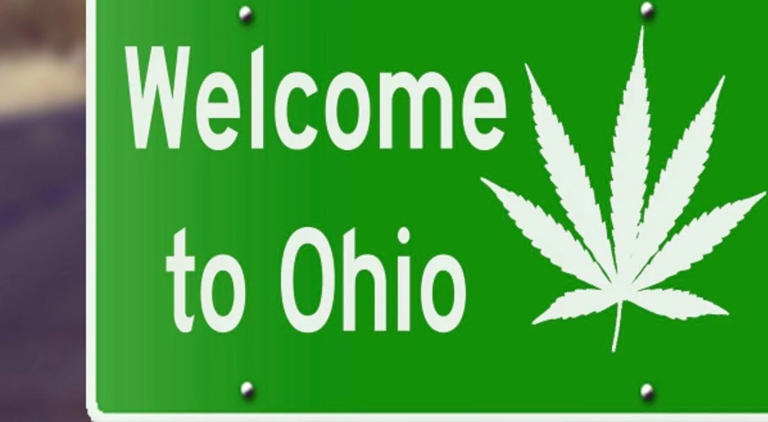
Despite the incessant nitpicking on the part of Ohio’s Republican leadership, which is seeking changes to the Nov. 7 voter-approved initiative that legalized adult-use cannabis, one Cleveland representative has stepped up to question what many are calling anti-democratic procedures.
Republican Governor Mike DeWine and Ohio Senate president Matt Huffman are seeking, among other changes, to redirect the usage of the hundreds of millions likely to be raised by excise taxes. One example that is raising the most dissent is the Republicans ‘ insistence on utilizing cannabis revenue for law enforcement rather than the agreed-upon social equity program and community reinvestment that earmarked tax dollars to support individuals who have been “disproportionately affected by past marijuana-related law enforcement.”
Enter Juanita Brent
Ohio Rep. Juanita Brent (D-Cleve) underscored the importance of having people who were directly impacted by cannabis prohibition participate in the legal marketplace and have seats at the table, as the Republican leadership moves ahead with its changes.
“If you’ve been criminalized by cannabis, the best thing you can do is come back into the field,” Brent told The Statehouse News Bureau.
Brent also pointed out that it is equally important that those involved in amending the initiative, known as Issue 2, are not outright anti-cannabis crusaders, which alas seems to be the case in Ohio.
Why Are Prohibitionists Making These Decisions?
“Ohioans have to remember that the people who are trying to be the loudest at the [statehouse] are people who were anti-cannabis,” Brent said. “We cannot have anti-cannabis people leading on what’s going to happen with cannabis. We need people who are involved. We need people who have been doing the work. We need people who have been advocating.”
Social equity provisions, by the way, are built into every legal marijuana program across the U.S. as a way to deal with well-documented racial disparities in marijuana arrests.
“We need to build more cultivators because there is going to be a lot of demand. We can have dispensaries that we want in the state, but if we don’t have cultivators there will be an increase in price,” she said.
GOP Lawmakers Running Out the Clock Before Dec. 7 Deadline
Republican lawmakers have said they are planning to publicize their policy changes to Issue 2, Huffman said last week, although he did not give details on the exact proposals or a timeline.
Huffman famously implied last week that Ohioans had not understood that the social equity elements in the new legalization law were prioritizing people affected by past cannabis-related enforcement.
………………………………………………………………………………………………………
#IntheWeedswithSteve
Be patient Florida, this too, shall pass! Steven M Smith InspirationalTech.org CEO since 2013.
Federal authorities are weighing whether to stop classifying marijuana among the riskiest drugs, a move that cannabis advocates have long hoped would result in more research on its health effects, businesses having an easier time selling it and fewer people going to jail.
But experts warn the August recommendation by the Department of Health and Human Services to strip marijuana’s designation as a Schedule I drug may not fulfill those hopes.
The proposal before the Drug Enforcement Administration to reclassify marijuana as a Schedule III substance — in the same category as prescription drugs such as anabolic steroids, ketamine and testosterone — would free marijuana from some of the restrictions that apply to Schedule 1 drugs such as heroin and LSD. A decision is expected in coming months.
While marijuana advocates have cast the proposal as a step forward, some contend it doesn’t go far enough and would like to see the drug removed from the schedule system entirely, treated like tobacco and alcohol, and eventually legalized at the federal level.
Rescheduling marijuana would amount to a symbolic win in the quest to normalize the drug.
“A recognition from the federal government after all these years that marijuana is safe and effective as a therapeutic agent for patients is significant because obviously that would be a reversal of a very long-standing and very public position,” said Paul Armentano, deputy director of the National Organization for the Reform of Marijuana Laws (NORML), an advocacy group. “When it comes to the practical elements, I don’t think anyone knows because we have never gone down this road before.”
Marijuana legalization faces tough odds in holdout red states despite Ohio win.
The implications are mired in legal complications, especially because cannabis is caught in a convoluted system for regulating the drug across different levels of government as both medicinal and intoxicating. Here’s a rundown of what we know about rescheduling and the concerns swirling around different aspects of marijuana reform.
What does drug scheduling mean?
The Controlled Substances Act regulates drugs and categorizes them into one of five “schedules” depending on their medical benefits and potential for abuse.
The schedules aren’t a ranking of how bad the drugs are for you or society, but instead are a guide for how limited access to the drug should be for doctors, pharmacists and patients. (For example, LSD, which rarely kills users, is scheduled higher than opioid painkillers, which causes tens of thousands of fatal overdoses, because painkillers are routinely used in treating patients.)
Marijuana’s designation as a Schedule I substance means the federal government thinks there is no accepted medical use and a high potential for abuse. Federal law prohibits the cultivation and possession of Schedule I drugs, except for approved research studies.
Possible easing of marijuana restrictions could have major implications.
A Schedule III designation under consideration for marijuana means the drug has moderate to low potential for physical and psychological dependence. Federal health officials have declined to answer questions about how they have assessed marijuana’s potential for abuse and dependence.
Here’s where things get really tricky: Federal officials have previously said they are obligated to classify marijuana as a Schedule I or II substance under an international treaty to fight drug trafficking by tightly controlling narcotics. That’s one of the issues the DEA would have to sort out before deciding whether to reschedule the drug.
Effects on health research
All controlled substances come with restrictions on research, but marijuana and other Schedule I substances have the toughest requirements. Experts say it’s imperative to conduct more research on marijuana to understand its benefits and risks as legal markets flourish and consumer use soars.
To gain access to pot, researchers need to register with the DEA under rules that would not apply if they studied Schedule II substances like cocaine and fentanyl. They must submit research protocols to the DEA that need to be reviewed by the Food and Drug Administration. And they must meet stringent requirements for drug storage in electronic safes or vaults that some researchers say are too expensive and burdensome to follow.
“It’s incredibly excessive and totally unnecessary,” said Ryan Vandrey, a cannabis researcher at Johns Hopkins Medicine. “I can run an entire study with an amount of cannabis that’s less than $100 in street value and bought by an adult in the state of Maryland at any of the different dispensaries.”
Researchers have to obtain marijuana from growers that follow federal restrictions. But they say such restrictions on growing marijuana for studies make it harder to examine the effects of high potency products and other forms of cannabis now popular among consumers.
Marijuana addiction is real. Those struggling often face skepticism.
Some researchers have found ways to get around these rules, but their studies have limitations.
For example, Washington State University researchers studying the cognitive effects of cannabis had to use Zoom to observe participants who just used marijuana they bought at dispensaries. The ideal study would involve researchers providing high-potency cannabis from dispensaries, including a placebo to a control group, and participants coming to a lab to provide blood samples and record physiological data points such as heart rate variability and cortisol levels that cannot be measured over Zoom.
The university risks losing federal funding if researchers administer cannabis themselves even though marijuana is legal in Washington, said Carrie Cuttler, an associate professor of psychology who directs The Health & Cognition (THC) Lab at Washington State.
“It’s absurd, absolutely absurd,” she said, “to treat cannabis as pretty much the most dangerous narcotic available in the world.”
Despite these restrictions, there is still plenty of research done on marijuana without ever handling the physical drug.
And experts caution there would still be hurdles in conducting the kind of research that’s now off-limits even if marijuana is reclassified as a Schedule III substance. That’s because the drug would still be treated as a therapeutic rather than an increasingly popular recreational product. It would still be difficult to study all the new marijuana products flooding the market, particularly edibles, vape cartridges and highly concentrated forms such as waxes and shatter.
Kevin Sabet, president of Smart Approaches to Marijuana, which opposes marijuana legalization, said his organization has proposed creating a new schedule category that would relax research restrictions on marijuana while maintaining other restrictions from its Schedule I status.
Unclear future for the cannabis industry
One of the toughest questions to answer about rescheduling is what it would do to the thousands of marijuana companies operating in a legal gray zone.
It is expected they would be able to deduct business expenses from their tax obligations for the first time, boosting their bottom lines. Beyond that, it gets complicated.
Industry advocates hope rescheduling might encourage more banks to work with marijuana companies, but a bill in Congress to shield fnancial institutions from punishment is the more direct path for achieving that goal.
There is no precedent for reclassifying a drug that is legal in states, and the booming marijuana industry, and its broad network of direct-to-consumer sales, is nothing like the markets for other Schedule III drugs such as ketamine and testosterone, which require a prescription.
In some ways, the status quo of treating marijuana as one of the riskiest drugs may actually be better for business.
Because marijuana is a Schedule I substance, the FDA has punted to the DEA to regulate it, and the DEA is not in the business of overseeing industries and markets.
A group of marijuana organizations raised concerns that treating marijuana as a Schedule III substance meant for medicinal purposes could upend the industry. They fear the FDA would prohibit recreational marijuana and hold therapeutic products to the high bar needed to sell medicine — requirements only large pharmaceutical companies may realistically be able to overcome — but leading experts dismiss that concern as unfounded.
Some experts argue that it is unlikely the FDA will suddenly crack down on marijuana after taking a largely hands-off approach for years, given the disruption it would cause and the resources it would take. Advocates counter that there’s no guarantee the winds won’t shift — for example, if Florida’s Republican governor, Ron DeSantis, wins the presidency after railing against marijuana.
“There is no way anyone could know or predict in our current political climate what the risk of FDA enforcement is,” said Shaleen Title, a former Massachusetts marijuana regulator who runs a cannabis think tank. “What I worry about is by trying to relax marijuana laws, we would inadvertently end up in a situation where we would be criminalizing existing state operators in a new way.”
Limited impact on federal pot prosecutions
Marijuana is illegal at the federal level regardless of how it’s classified, and rescheduling alone would not change penalties for major federal marijuana cases.
Possession of Schedule I substances is a federal crime, but few people go to federal prison just for having marijuana. Federal marijuana trafficking charges have plunged 90 percent in a decade as authorities make fentanyl their top priority. Under federal law, rescheduling would not affect penalties for trafficking convictions, said Shane Pennington, a D.C. attorney who specializes in cannabis law.
“It’s going to be a lot less of a boon for criminal justice reform than people think,” Pennington said.
Marijuana prosecutions tend to happen in state courts, and there were at least 209,000 arrests for possession last year, according to FBI statistics.
Along the Interstate 40 corridor that cuts across the Texas Panhandle between New Mexico and Oklahoma, local police officers routinely arrest motorists transporting marijuana loads from illegal grow operations in California, said Texas defense attorney Adam Tisdale, who specializes in marijuana cases. The loads are typically headed to Florida, and the drivers are charged in state court with possession of marijuana, which becomes a felony depending on the weight of the marijuana. Tisdale predicts local officers won’t stop making those arrests, which usually result in hefty fines, not jail time.
President Biden grants mass pardons for those convicted of simple marijuana possession.
“It won’t make any difference in my neck of the woods,” Tisdale said of rescheduling.
Proponents of rescheduling, such as the U.S. Cannabis Council, say it would send a powerful signal to law enforcement agencies that marijuana cases should be a low priority.
Critics, including the former DEA and White House officials who signed a letter organized by the anti-marijuana organization Smart Approaches to Marijuana, argue that rescheduling removes a “key tool” that federal agents have in prosecuting cartels.
Experts are split on what impact rescheduling would have on the nation’s criminal justice systems, which for decades have punitively targeted people — particularly Black and Latino people — for possessing or trafficking in a drug that is now legal for recreational use in 23 states. The Minority Cannabis Business Association and other advocates for racial equity in marijuana policy contend rescheduling alone continues the war on drugs.
“I don’t know if it’s worth the trade-off to be stuck in this murky middle,” said Kaliko Castille, board president of the Minority Cannabis Business Association. “You are still going to have business owners making millions of dollars and others in prison for a plant.”
Congress took steps this week to avert a year-end cliff for key farm and food assistance programs as lawmakers have struggled to reauthorize a new farm bill this year.
Here’s what that means for Iowa farmers. And a look ahead to O HI O.
The U.S. House voted Tuesday to extend the current farm bill for one year while negotiations continue on a new farm bill.
House lawmakers passed a short-term funding bill to keep the federal government operating and avert a shutdown, sending the bill to the Senate days before a Friday deadline. The Senate as expected quickly approved the bill, which would allow President Biden to sign it into law before the deadline.
The legislation extends funding for the U.S. Department of Agriculture at current spending levels until Jan. 19 and extends all programs at levels provided in the 2018 Farm Bill through Sept. 30, 2024.
It provides funding for a handful of small-ticket programs that were orphaned at the end of fiscal year 2023, including feral swine eradication, urban agriculture and a reserve fund for overseas food aid. The outlays would be offset by rescinding $177 million in unobligated funds in the Biorefinery Assistance Program and savings in USDA internal operations.
Without an extension, farmers would see commodity policies revert to permanent law with controls on production and costly price supports adopted in the 1930s and 1940s.
Under the House-passed stopgap spending bill, dairy subsidies would be extended through Dec. 31, 2024, to avert the looming “dairy cliff” on Jan. 1, when the government-guaranteed price of fresh milk would more than double, potentially driving up grocery-store prices.
Iowans in Congress want new Farm Bill passed.
While good news for farmers, Iowa Republican U.S. Sen. Chuck Grassley and U.S. Rep. Ashley Hinson, of Marion, said the extension is not a substitute for a reauthorization.
“There was no way I would have let the Farm Bill expire, and I’ve already urged Speaker Johnson to put passing a strong Farm Bill at the top of our priority list,” Hinson said in a statement to The Gazette.
She said she’ll continue working with her colleagues to strengthen voluntary conservation programs, lower input costs, provide regulatory certainty, and ensure an affordable food and fuel supply for Iowans.
“I’ll continue working to ensure the final legislation strengthens risk management tools like crop insurance, preserves and expands market access for ag products, promotes precision ag and other farmer-led conservation, and modernizes USDA conservation programs to improve resiliency against flooding and drought,” she said.
Iowa Republican U.S. Rep. Mariannette Miller-Meeks, of Ottumwa, said in a statement to The Gazette that it is “essential that the House move forward and swiftly pass a Farm Bill that is written by and for our farmers.”
“As Iowa leads the United States in corn and ethanol production, it is vital that we advocate for provisions to grow the industry,” Miller-Meeks said. “We must also work to safeguard commodity and conservation programs, rural broadband funding, and crop insurance initiatives.”
Grassley, speaking to reporters by phone Wednesday, said the House bill has a good chance to passing the Senate.
“The extension will provide certainty, but just for one year, and that’s obviously not as good as if we got a five-year program through,” he said.
Grassley added program pricing that provides financial protections to farmers from substantial drops in crop prices included in the 2018 Farm Bill do not reflect increased input costs for fertilizer, chemicals, seed and fuel.
The sprawling legislative package that’s reauthorized every five years supports several key farm and safety net programs, like crop insurance, as well as agriculture research, rural development, conservation, SNAP benefits — once called food stamps — and more.
Uncertainty lingers.
Chad Hart, an economist and crop markets specialist for Iowa State University Extension and Outreach, said passage of the House bill provides farmers with some certainty about whether key farm commodity support will continue.
Hart noted some mandatory expenditures and others marked as discretionary that fund food assistance programs could go forward, but that funding for food assistance for women and children who rely on the Special Supplemental Nutrition Program for Women, Infants, and Children — commonly called WIC — would run out and cease operations if a shutdown runs long enough.
“There’s not been a lot of forward-thinking discussion of what changes might be made in either existing programs or new programs created in the next Farm Bill, “Hart said.
” This buys them another year to basically have that discussion. … Income support programs will be in effect for the 2024 crop year. Before the extension, those programs stopped with 2023. But will the government be able to run the programs and cut the checks? “
Tom Barton
Nearly all eligible workers at the Columbus-based Strawberry Fields dispensary have voted to join Teamsters Local 413, becoming the first in Ohio to affiliate with the union.
The move comes several weeks after Ohioans approved an initiative to legalize adult-use cannabis Nov. 7.
“This is the first of many proprietors we will be organizing now in Ohio, especially now that recreational cannabis is legal,” said Tony Jones, Teamsters International VP at large and president of Local 413.
“These workers are an amazing group of people who stood strong in spite of the company running a nasty anti-union campaign. I have no doubt that the tenacity, bravery, and solidarity they demonstrated during the lead-up to the election will serve them well when we start negotiations.”
Union organizing is going on while Ohio’s now legal cannabis program is under attack by the Republican-dominated state House and Senate. Gov. Mike DeWine (R) and Senate leader Matt Huffman (R) are chipping away at the initiative in an effort to revise it before cannabis possession and cultivation become legal Dec. 7, when the initiative led by the Coalition To Regulate Marijuana Like Alcohol goes into effect.
“The success of our latest organizing effort is a clear message to the Ohio cannabis industry: workers demand and deserve respect,” said Peter Finn, Teamsters Western Region International VP and Food Processing Division Director.
“This is just the beginning. We’re on a mission to transform this industry one contract at a time, with sustainable, middle-class careers.”
Strawberry Fields Budtenders Weigh In: “This is a huge moment for the Teamsters, Ohio, the labor movement, the cannabis community, and especially us,” said budtender Estlin Hiller. “By unanimous decision, after months of hard work by everyone involved, we won. We are ecstatic about this outcome, immensely proud of one another, and looking forward to bargaining our first contract. Strawberry Fields united, solidarity forever.”
Nearly all eligible workers at the Columbus-based Strawberry Fields dispensary have voted to join Teamsters Local 413, becoming the first in Ohio to affiliate with the union.
The move comes several weeks after Ohioans approved an initiative to legalize adult-use cannabis November 7th, 2023.
“This is the first of many proprietors we will be organizing now in Ohio, especially now that recreational cannabis is legal,” said Tony Jones, Teamsters International VP at large and president of Local 413.
“These workers are an amazing group of people who stood strong in spite of the company running a nasty anti-union campaign. I have no doubt that the tenacity, bravery, and solidarity they demonstrated during the lead-up to the election will serve them well when we start negotiations.”
Union organizing is going on while Ohio’s now legal cannabis program is under attack by the Republican-dominated state House and Senate. Gov. Mike DeWine (R) and Senate leader Matt Huffman (R) are chipping away at the initiative in an effort to revise it before cannabis possession and cultivation become legal Dec. 7, when the initiative led by the Coalition to Regulate Marijuana Like Alcohol goes into effect.
“The success of our latest organizing effort is a clear message to the Ohio cannabis industry: workers demand and deserve respect,” said Peter Finn, Teamsters Western Region International VP and Food Processing Division Director.
“This is just the beginning. We’re on a mission to transform this industry one contract at a time, with sustainable, middle-class careers.” O HIGH O Budtenders Weigh In: “This is a huge moment for the Teamsters, Ohio, the labor movement, the cannabis community, and especially us,” said budtender Estlin Hiller. “By unanimous decision, after months of hard work by everyone involved, we won. We are ecstatic about this outcome, immensely proud of one another, and looking forward to bargaining our first contract. Strawberry Fields united, solidarity forever.”
Story by Gazette
……………..
Be patient Florida, this too, shall pass! Steven M Smith InspirationalTech.org CEO since 2013.
What is in store for Hemp Derived Products in 2024. History may repeat itself.
CBD companies are tasked with seizing this opportunity while navigating the significant hurdles. As a founder and owner, here is my take on the crucial developing issues in my industry, along with predictions about what will happen.
CBD sales in the U.S. hit $4.6 billion in 2020, a massive number just two years after hemp-derived cannabinoids were federally legalized. This growth is only expected to accelerate, with two notable forecasts projecting a U.S. market of $15 billion to more than $20 billion by 2025 and 2024, respectively.
CBD companies currently offer a pretty wide range of products. Nevertheless, this diversity will increase as more companies introduce products that hyper-concentrate on each of the over 100 minor cannabinoids found in the hemp plant. Formulations focusing on cannabinol (CBN), cannabigerol (CBG) and other compounds and mixes will be developed for specific use cases.
2. Regulatory challenges remain, and it will take Congress to clarify things.
Despite being federally legal, we’ve observed that CBD companies still have problems obtaining capital and standard services from banks and other financial services institutions. And the ability to market CBD as a safe and effective substance is limited by how the FDA classifies it.
Ultimately, the U.S. Congress has the authority to address these issues, and there is current legislation aiming to do just that, such as the Safe Banking Act of 2021, the Hemp and Hemp-Derived CBD Consumer Protection and Market Stabilization Act of 2021 and the Hemp Access and Consumer Safety Act. Crucially, those last two pieces of legislation would pave the way for the FDA to authorize marketing CBD as a dietary supplement. This development will open up many forbidden or restricted marketing and distribution channels, leading to greater sales and brand exposure.
3. Big-box retail access will spur sales while stabilizing and improving supply chains.
Once companies can market CBD as a dietary supplement, it’s my opinion that it will hit the mainstream of brick-and-mortar retail. In particular, big-box chains will offer a range of topicals and ingestibles in various product categories and applications.
This new distribution could vastly grow the market while benefiting various supply chain components, including hemp farmers and labs that conduct the extraction, distillation, crystallization and isolation of CBD from plants. A particular benefit will be incentivizing more quality labs to get in the CBD game, as many facilities now hesitate to stray from their core competencies. The price of raw materials will also drastically increase as retail demand grows.
4. More big names will get into the game through acquisitions.
Huge companies have been hesitant to embrace CBD as its initially “Wild West” market goes through growing pains. But once the regulatory landscape clears and stabilizes, I believe many corporate giants will look to diversify their product lines with CBD and add brand-new products that open avenues of growth. Companies like Procter & Gamble, Johnson & Johnson, Coca-Cola, Unilever and more may get into the game, and they’ll do it through acquisitions of existing CBD market leaders.
Affecting industries as diverse as cosmetics, food and beverage and pharmaceuticals, the exploding CBD (cannabidiol) market has generated considerable headlines, providing fodder to umpteenth analysis and forecasts. The latest one, by leading cannabis researchers BDS Analytics and Arcview Market Research, projects that the collective market for CBD sales in the U.S. will surpass $20 billion by 2024.
5. Education, quality assurance and safety will skyrocket.
An all-time high in public education about cannabinoids will accompany the mainstreaming of CBD. Through this, consumers will be able to feel more confident and safer while purchasing products that are smartly regulated.
Many CBD companies, which now mainly self-regulate, will be forced to improve their quality assurance and compliance efforts to survive. And the providers who already sell high-caliber products will finally reap the rewards of their investments in R&D and production that have necessarily reduced ROI.
The future of CBD is bright, but it still hinges on crucial developments.
In some ways, the CBD industry is an unstoppable juggernaut. It’s already a multi-billion-dollar sector that will only get bigger, as millions of consumers have made their preferences clear. But CBD companies still have to navigate many unique hurdles, from obtaining capital to using standard payment processing to being able to market on regular channels.
The crucial developments that will remove these barriers are the FDA classifying CBD as a dietary supplement, the industry’s unrestricted access to financial services and an intelligent regulatory framework that increases product quality and safety across the board.
As the owner of a CBD company, I am in wait-and-see mode like many of my colleagues. We simply steer through these challenges to grow our companies. But I believe that lawmakers will solidify the status of CBD soon, removing barriers to innovation, safety and, ultimately, the normalization of the industry. When that happens, even more growth — exponential growth — is on the horizon.
According to a Forbes article, the CBD industry is in a unique position as a substance that was federally illegal before the passage of the 2018 Farm Bill, hemp-derived cannabinoids with no more than 0.3% THC still face a regulatory grey area. This ambiguity creates a host of novel challenges in financing, marketing and producing products. But simultaneously, the industry and market are growing incredibly fast. CBD sales in the U.S. hit $4.6 billion in 2020, a massive number just two years after hemp-derived cannabinoids were federally legalized. This growth is only expected to accelerate, with two notable forecasts projecting a U.S. market of $15 billion to more than $20 billion by 2025 and 2024, respectively. CBD companies currently offer a pretty wide range of products. Nevertheless, this diversity will increase as more companies introduce products that hyper-concentrate on each of the over 100 minor cannabinoids found in the hemp plant. Formulations focusing on cannabinol (CBN), cannabigerol (CBG) and other compounds and mixes will be developed for specific use cases1.
We are often faced with our own personal conflicts which directly influence our interactions with our peers and family.
When Inspirational Technologies is an endorsement of the “Cannabis” approach to the medical condition, we say, let’s let the look at the data and the people who say that they benefit for cannabis alternatives.
Beginning in Late November 2023 Inspirational Technologies will promote the long-awaited series, “In the Weeds with Steve “. An Inspirational Technologies production under their own “Background Noise Productions Studios.
1st Hemp USA News is a resource of Inspirational Technologies (2021-2023)Inspirational Technologies (2023) AllRightsReservedYour ONE STOP BLOG FOR INFORMATION, EDUCATION, & INSPIRATION OF ESSENTIAL INNOVATION & RENOVATION of You-THANK YOU FOR YOUR INTEREST*This site receives virtually no compensation for sales of some or all mentioned products. We however place humanitarian value over monetary interests. Our monetary income goes back into research, development, discovery and healing.Inspirational Technologies – is Committed to Your Health Wellness Beauty and EnrichmentReporting on Today’s Internal Botanical and Skin Product Benefits
4 Hemp Club was Inspired by Steven Smith’s vision to “Have an older generation 4H Club, where an older community of adults could carry on what the younger 4H Club envisioned.
Our 4H Platform Uses HEMP as an Agricultural Focal Point, deserving of research, development and with the
4 Hemp key points being Health Hope and Happiness, thru Hemp“.
Cannabis CBD and Me Inspirational Technologies Inspirational Technologies (2014) @Inspire123tech Background Noise Studios Logos bySteven M Smith
Thank you for your interest in Inspirational Technologies, a health and wellness company that focuses on hemp and cannabis products. Here is some information about the company and its CEO, Steven Smith, as well as some statistics on marijuana legalization in Florida.
Inspirational Technologies was founded in 2013 by Steven Smith, who is also the CEO and owner of the company. The company’s mission is to inspire collective minds to foster health, wellness, beauty, and inspiration through hemp and cannabis products. The company operated as a subsidiary of Marijuana Company of America, Inc., a publicly traded company that invests in the legal cannabis and hemp industries. Inspirational Technologies offers a background review of a variety of hemp and cannabis products, and lines of CBD products that includes tinctures, capsules, creams, and pet drops. The company also provides educational and marketing services to promote the benefits of hemp and cannabis.
Steven Smith is a veteran entrepreneur and innovator who has been involved in the hemp and cannabis industry for over a decade. He has a background in technology, media, and entertainment, and has worked as a producer, director, and writer for various projects. He is also a passionate advocate for hemp and cannabis legalization and reform and has participated in several initiatives and campaigns to support the cause. He is a member of the Florida Hemp Council, a nonprofit organization that represents the interests of the hemp industry in Florida. He is also a frequent speaker and guest at various events and podcasts related to hemp and cannabis.
Marijuana in Florida is illegal for recreational use, but legal for medical use for patients with qualifying conditions. The state legalized medical marijuana in 2016, after voters approved Amendment 2, which expanded the list of qualifying conditions and allowed for more dispensaries and products. As of June 2021, there were over 600,000 registered medical marijuana patients and over 300 licensed dispensaries in Florida.
However, recreational marijuana remains prohibited in Florida, and the penalties for possession vary by the amount, from financial fines to jail time. The state has not yet passed any laws to decriminalize or legalize recreational marijuana, despite several attempts by activists and lawmakers. In 2020, a proposed constitutional amendment to legalize recreational marijuana failed to gather enough signatures to qualify for the ballot. In 2021, another proposed amendment, backed by Trulieve, one of the largest medical marijuana providers in Florida, received enough signatures to qualify for the 2024 ballot. However, the amendment is facing legal challenges from the Florida Attorney General, who argues that the amendment is misleading and violates the single-subject rule.
According to a recent poll, 60 percent of Florida voters approve of legalizing recreational marijuana, while 34 percent oppose it and 6 percent are undecided. The poll also found that support for legalization varies by age, gender, party affiliation, and region. Younger, female, Democratic, and urban voters are more likely to support legalization than older, male, Republican, and rural voters.
I hope this information was helpful and informative. If you have any more questions, please feel free to ask me. 😊
We, at Inspirational Technologies are at the forefront of Inspirational and Frontrunners on the frontier of current technology.
We are often faced with our own personal conflicts which directly influence our interactions with our peers and family.
When Inspirational Technologies is an endorsement of the “Cannabis” approach to the medical condition, we say, let’s let the look at the data and the people who say that they benefit for cannabis alternatives.
Beginning in Late November 2023 Inspirational Technologies will promote the long-awaited series, “In the Weeds with Steve “. An Inspirational Technologies production under their own “Background Noise Productions Studios.
1st Hemp USA News is a resource of Inspirational Technologies (2021-2023)Inspirational Technologies (2023) AllRightsReservedYour ONE STOP BLOG FOR INFORMATION, EDUCATION, & INSPIRATION OF ESSENTIAL INNOVATION & RENOVATION of You-THANK YOU FOR YOUR INTEREST*This site receives virtually no compensation for sales of some or all mentioned products. We however place humanitarian value over monetary interests. Our monetary income goes back into research, development, discovery and healing.Inspirational Technologies – is Committed to Your Health Wellness Beauty and EnrichmentReporting on Today’s Internal Botanical and Skin Product Benefits
4 Hemp Club was Inspired by Steven Smith’s vision to “Have an older generation 4H Club, where an older community of adults could carry on what the younger 4H Club envisioned.
Our 4H Platform Uses HEMP as an Agricultural Focal Point, deserving of research, development and with the
4 Hemp key points being Health Hope and Happiness, thru Hemp“.
Cannabis CBD and Me Inspirational Technologies Inspirational Technologies (2014) @Inspire123tech Background Noise Studios Logos bySteven M Smith
As many know, 2022 was a mixed bag for the cannabis industry. While new markets showed healthy growth, legal cannabis sales declined in many mature markets, slowing, or even reversing, growth in those markets. While some of this might be attributable to parallels experienced by the broader economy in the wake of COVID-19, it nevertheless resulted in numerous companies across the sector being hit by layoffs, cash crunches, and increased debt.
But 2022 wasn’t all bad news. Three more states enacted laws legalizing adult-use cannabis, while recreational sales kicked off in several other states. On the federal level, the Biden administration took steps toward reform, pardoning federal offenses of simple marijuana possession and directing review of cannabis’s classification under federal law. Congress also enacted the Medical Marijuana and Cannabidiol Research Expansion Act.
Below, we recap some of the biggest developments of 2022 and what we are currently experiencing in 2023. Possible 2024 predictions.
Market headwinds slowed down growth in 2022 and will likely persist throughout 2023.
After enjoying a sales surge during the early stages of the pandemic, the U.S. cannabis industry showed signs of slowing down in the face of regulatory and economic challenges, including declining demand. As a result, legal cannabis markets across the country, particularly mature markets, are facing a supply glut that is driving down wholesale and retail prices.
In California, for example, wholesale prices are reported to have crashed by as much as 95% since the state voted to legalize cannabis in 2016. (“How falling cannabis prices killed a 3rd generation family cannabis farm,” KSBW-TV Action News 8, Monterey Hearst Television Inc., Updated Dec. 14, 2022). And in Massachusetts, the retail price of an ounce has decreased from roughly $400 to under $250 over the last two years. (“Recreational cannabis prices in Mass. plummet as dispensary owners weigh future,” Boston.com, Dec. 13, 2022).
At the same time, legal retailers continue to struggle with onerous taxes, regulations, and competition from the illegal market. Many of these same challenges are likely to persist throughout 2023, including the slump in wholesale and retail cannabis prices.
Federal legalization stalled in 2022, but there are glimmers of hope for 2023 and beyond.
While Congress once again failed to pass meaningful cannabis reform — and federal legalization remains unlikely in 2023 — federal reform efforts made incremental progress in 2022.
In October, President Biden released a statement pardoning federal offenses of simple marijuana possession. In addition, the president asked the Secretary of Health and Human Services and the Attorney General to review cannabis’s classification as a Schedule I drug — the highest level of classification — under federal law. Although not without drawbacks, rescheduling to Schedule II would be an overall boon to the medical marijuana industry, as (among other things) it would likely allow medical cannabis to be grown in one state and sold in another.
While the announcement marked the biggest shift in federal cannabis policy since the passage of the Controlled Substances Act (CSA) in 1970, its effects are not immediate. Administrative review of cannabis’s status under federal law does not have a set timetable and is unlikely to be completed in 2023. Moreover, because state cannabis convictions far outnumber federal convictions, most pardons will have to happen at the state — not the federal — level.
In December, Congress passed its first standalone piece of cannabis-related reform: the Medical Marijuana and Cannabidiol Research Expansion Act (MMCREA). The bipartisan legislation paves the way for more research into cannabis’s medicinal uses by rolling back federal restrictions on research and the cultivation of research-grade cannabis (which are presently conducted exclusively at the University of Mississippi). The MMCREA also promotes the development of U.S. Food and Drug Administration (FDA)-approved drugs using CBD and cannabis.
We anticipate that several federal legalization bills will be re-introduced in 2023. Congressional Democrats are likely to re-introduce the Cannabis Administration and Opportunity Act (CAOA) in the Senate and the Marijuana Opportunity and Reinvestment (MORE) Act in the House. Both bills were introduced in previous legislatives sessions and aim to end the federal prohibition on cannabis.
The Secure and Fair Enforcement (SAFE) Banking Act is also likely to be re-introduced in 2023, which would provide protections to financial institutions and various other professional service firms doing business with state-legal cannabis businesses and is likely to get the most attention (as has been the case in previous years). The bill has now passed the House seven times and enjoys both bipartisan and industry support.
Another likely candidate for re-introduction is the States Reform Act (SRA), which would decriminalize cannabis at the federal level while deferring to state powers over prohibition and commercial regulation.
FDA guidance on CBD may finally be on the horizon.
It has now been nearly four years since the FDA asserted regulatory oversight over cannabidiol (CBD). Despite repeated calls for regulations from lawmakers and industry participants, the agency has yet to comprehensively address rules relating to CBD, leaving manufacturers and distributors without much guidance (aside from the periodic release of warning letters). 2023 is likely to be the year this finally changes.
Up to this point, the FDA has generally pursued limited enforcement activity regarding CBD, focusing primarily on food and beverage products that make unsubstantiated health claims. But recent shifts in the agency’s internal and external approach to regulating CBD products and other cannabinoids could be an indication of what’s in store for 2023, and beyond.
For example, in September, the FDA hired Norman Birenbaum — an experienced cannabis policy expert — as a senior public adviser at the Center for Drug Evaluation and Research. Industry watchers speculate that this could indicate that the agency is finally gearing up to develop a regulatory framework for cannabis-derived products, including CBD.
In addition, the FDA issued warning letters in the first half of 2022 to companies selling products containing Delta-8 THC, an intoxicating hemp-derived cannabinoid that is currently being sold on the unregulated market in certain states. And in November, the FDA again issued a series of warning letters, this time to companies selling CBD-infused food and beverages.
The FDA also announced in a recent interview with The Wall Street Journal that it is aiming to reveal its oversight plans in the coming months. (“FDA, Concerned About Safety, Explores Regulating CBD in Foods, Supplements,” WSJ.com, Updated Dec 29, 2022) The ultimate effect of the FDA’s forthcoming oversight plans remains uncertain, but will likely have a significant impact on the existing CBD industry. So, stay tuned!
States continue to lead the way on legalization and reform despite facing challenges.
According to a recent report by NORML, lawmakers and voters enacted more than 40 cannabis-related reform laws in over a dozen states in 2022. On the adult-use front, three states — Rhode Island, Maryland, and Missouri — enacted laws legalizing and regulating the market. Meanwhile, Mississippi enacted legislation legalizing medical cannabis.
2022 also saw recreational cannabis sales kick off in New Jersey, Rhode Island, and (to a very limited extent) New York. Retail sales in Connecticut also began earlier this month. Retail markets in Maryland and Missouri are expected to launch later this year. As it stands, 39 states have legalized cannabis in some capacity, with 21 states (plus the District of Columbia) permitting recreational adult-use.
Given that public support for reform remains at an all-time high (See “Americans overwhelmingly say marijuana should be legal for medical or recreational use,” Pew Research Center, Nov. 22, 2022), we expect legalization and reform at the state level to continue in the year ahead. For example, lawmakers in Minnesota introduced a pair of bills earlier this month that would legalize recreational cannabis. Minnesota’s newly elected governor, a known cannabis legalization advocate, has stated that he could see legalization happening in the state in the coming year.
Pennsylvania also recently elected a pro-cannabis governor and saw Democrats Retake the State House, improving the Keystone State’s chances of legalization passing in 2023. Oklahoma has an opportunity to legalize recreational cannabis in March. Ohio’s Legislature is also considering a bill to legalize recreational cannabis, and lawmakers in several other states have already filed a handful of bills in the first few weeks of 2023 aimed at liberalizing cannabis laws (including Indiana and Kentucky).
But legalization is just the first step. The roll-out of state-legal cannabis programs can be complicated, time-consuming, and does not always progress in a linear fashion. For example, it has taken New York almost two years to launch its adult-use program, with the first sales occurring just at the end of December at a single location. To date, only 36 retailers in the state have been granted provisional licenses. Meanwhile, regulators have approved 318 conditional licenses for adult-use cultivators and processors, stoking fears that there may not be enough state-sanctioned stores, and that growers could be facing an oversupply issue. Early-stage growth of New York’s market has also been blunted by competition from the “legacy” (i.e., unregulated) market.
Several other states’ cannabis programs, including New York’s social equity component, are facing legal challenge on the basis that their licensing requirements violate the dormant commerce clause (DCC) of the U.S. Constitution, which prohibits states from discriminating against interstate commerce by favoring citizens of their states over others.
In August, a split 1st U.S. Circuit Court of Appeals panel affirmed that the DCC applies to the federally illegal cannabis industry and that a Maine law mandating local ownership of cannabis businesses is unconstitutional. The decision throws into question states’ ability to safeguard their cannabis industries from out-of-state competition and has been used as the basis for a New York federal court to partially enjoin New York’s Conditional Adult-Use Retail Dispensary (CAURD) program.
2023 still could be the year as the 2nd and 9th Circuits weigh in on this issue (as the same Michigan-based applicant has initiated litigation in New York and California on this ground).
Probably more importantly to the “Cannabis Future” is how we are using Hemp, the cousin of Cannabis, to impact our future in the industrial world. Something that is being missed, in the mix.
WHY HEMP IS IMPORTANT TO OUR FUTURE, AS IT WAS TO OUR PAST.
Hemp, In the Mix.
Hemp is not called the wonder crop for no reason. It is possibly the most important plant on earth. It offers many different uses that promote a more sustainable world. Hemp products can be recycled, reused, and are 100% biodegradable. Industrial hemp is a very robust, competitive plant that can out-compete weeds. Its cultivation and usage have significant environmental benefits.
In a time when we are not-so-gradually moving towards the destruction of our planet, the need for sustainable alternatives has increased. While the world is busy thinking of possible alternative solutions, Mother Nature has already provided us with one. All that is left to us is to make the most of it.
What are sustainable practices?
Sustainability is defined as the ability to maintain a balance of a certain process or state in any system. In recent times, the phrase sustainable practices is used in association with biological and human systems. Sustainability is expressed in human organization concepts such as eco-municipalities and sustainable cities, and for human activities such as sustainable agriculture and renewable energy.
For humans to live sustainably, it is imperative to use the Earth’s resources at a rate at which they can be replenished. But as is no surprise, the humans aren’t currently doing this. Let’s understand what sustainable practices truly mean.
The finest way to define sustainable practices is through the three pillars of sustainability.
Sustainability depends on three independent areas that are equally important–social implications, economic implications, and environmental implications.
Social Implications
Sustainable practices must ensure that global human rights are always respected. This spreads over areas such as inequality, poverty, social injustice, fair wages, and other human rights matters. True sustainability is achieved when farming and industrial practices must always leave a positive social impact.
Economic Effects
The mass adoption of sustainable agriculture has been, for some part, put off by its economic effect. While the benefits of sustainability don’t always translate to swift economic growth, they do prove safe for the environment and mankind. Sustainable practices can only be adopted when they fuel economic development.
Environmental Impact
Sustainability is, more often than not, synonymous with environmental impact. And there is a good reason for this association. The Earth is rich but it only has so many natural resources that we can exhaust. To ensure our survival as a species, it is important to manage them carefully.
Therefore, producers, cultivators, and consumers must pay attention to the impact they are leaving on the environment. It then becomes obvious that we need to adopt renewable energy and sustainable agricultural practices, among other things.
Hemp — the Sustainable Crop
Hemp can, for the most part, alleviate the need for many other mass-produced modern raw materials. The large amounts of toxins and waste produced by fuel industry and other pharmaceutical products can be largely reduced by hemp. When compared to common resources (for example, cotton), the roots of the hemp plant not only result in environment-friendly fibers, cosmetics, fuels, and medicines but also protects the earth and enriches the land where it grows.
Hemp is a crop that leaves minimal or no footprint on the earth while addressing many of mankind’s present needs.
Growing Hemp — Environment-friendly Cultivation
Hemp is a more sustainable and eco-friendlier crop than the majority of crops dominating the human cultivation today. While many people feel that hemp propagates are against traditional crops such as cotton, they fail to understand that we are for environment. Though these crops have been growing on the land forever, the environment of the land has changed, and this has necessitated for a sustainable solution.
After its much controversial fate, hemp is beginning to the see the light of the day in people’s life yet again. And almost all the reasons for that are rooted in the crop’s sustainable and eco-friendly characteristics.
Competitive in Nature
Hemp is inherently a competitive plant that grows densely and literally chokes out the competing plants. Hemp naturally reduces pests and therefore does not require pesticides and herbicides.
Hemp is naturally resistant to pests, fungi, and diseases so cultivators do not have to focus on excessive amounts of chemicals for cultivating their crops.
Enriches the Soil where it grows.
Careless agricultural practices extract water and nutrients from the ground without allowing the soil to replenish itself. This results in soil degradation and soil pollution which in turn results in deforestation as well as threatens the productivity and overall health of our food crops.
Hemp is a sustainable crop because it returns a significant percentage of nutrients back to the ground during the process of retting. This results in healthier soil that helps in decelerating erosion and keeps our lands healthy for a longer period of time.
Can reduce Carbon emissions.
Industrial hemp is a high biomass crop that possesses the ability to sequester higher amounts of carbon through the process of photosynthesis. This carbon is then stored in the roots and the body of the plant. This carbon is then transferred into processed bio-fiber products.
Bio-products made from hemp are environment-friendly that can easily be replaced in compost or in landfills. Majority of hemp-based products are free of toxics, biodegradable, and renewable.
Requires less amount of Water.
Industrial hemp has a large tap root that is capable of penetrating deep into the soil profile to pick up the water and nutrients required by the plant for development. This is a benefit because hemp can recover the nutrients that might otherwise be leached below the root zone and enter the groundwater.
Moreover, hemp’s deep roots open up the soil and enhance it for future crops. Hemp requires one-third of the amount of water required by cotton and similar traditional crops. This value considerably cuts down on the water we dedicate to traditional crops for clothing and textile needs all the while producing more comfortable and durable products.
Can be made into biofuel.
Hemp can be made into biofuels which can easily be used in the existing transportation vehicles. Gasoline produced from hemp is 85% greener than petroleum gasoline. Hemp biodiesel, as studies have found, are 97% more efficient than traditional gasoline (i.e. 97% of hemp oil can be converted to biodiesel) and can be used at lower temperatures than other biodiesels.
Carbon neutral buildings
Through its green concrete alternative, Hemp gives us an opportunity to produce carbon neutral building supplies including but not restricted to insulation, pressboard, flooring, wall, and concrete. Hempcrete is energy-efficient, non-toxic, and resistant to mold and, insects and fire.
Produces Higher Yield from the Same Space
One of the most interesting and beneficial characteristics of hemp is that it can grow in different soils and climates and thrives in small spaces. Multiple studies suggest that one acre of hemp can yield as much as 8.7 tons given the right conditions. This way, the hemp crop opens up a way for farmers to decrease their land usage without compromising on their yield or finances.
Can replace plastic.
We are all aware of the way plastic is destroying the earth. The need for an alternate solution to plastic is supercilious to all other needs. Hemp helps us here too. Hemp provides an option to create a non-toxic and completely bio-degradable plastic that can be used in the stead of regular plastic.
A hemp plastic bottle degrades within 10 days of discard.
This is not the first time that the world is hearing of hemp plastic. In fact, Henry Ford built a car out of hemp and soy plastic in the early 1940s. In 2008, the Lotus Eco Elite employed hemp in its composite body panels and spoiler. And since, many car manufacturers have switched to hemp composites for different parts of their cars such as door panels, columns, seat backs, instrument panels etc.
Hemp and Deforestation
The timber industry has been paramount in the production of jobs and manufacture of products in the world. But this income and these convenient products come at a heavy cost to our environment. In order to cater to the demands of the timber industry, our forests are destroyed, streams are hurt, flora and fauna are killed, species are wiped out, and environment is polluted.
In the present time, more than 90% of world’s paper is made from trees. Almost 60% of the world’s forests are used for timber. This fills the natural water sourced with nitrates which leaves terrible effects on the ecosystem. This is not even the entire tip of the iceberg.
What can be the solution? Hemp.
Cannabis or industrial hemp gives us environment-friendly products to replace timber. Hemp grows like other industrial crops but with fewer necessities and in lesser space. This means that switching to hemp would save our forests from being needlessly wasted thus saving our waters, wildlife, and the environment on the whole.
Not only will hemp offer a softer and better paper, but it will also offer more yield per acre as well. This makes hemp one of the very few sustainable crops that are not heavy on the producer’s pocket.
Hemp and Global Warming
Another battle that the wonder crop can help us fight is the battle against the rising temperature of the planet. Hemp begins sequestering carbon the moment it is seeded. Conservatively, hemp yields an approximate sequestration ratio of 1.5 units of sequestration per unit produced. That is to say, 1 ton of harvested hemp fiber should ideally sequester 1.62 tons of carbon dioxide.
In addition
Hemp can also sequester carbon back into the soil through a process called Bio sequestration. The hemp crop captures the carbon emissions from the atmosphere and on slow-smoldering, hemp can be used to create carbon-free biochar which can be mixed with other nutrients and returned to the soil.
When used in the form of bio concrete, hempcrete undergoes calcination overtime and absorbs more carbon dioxide from the environment.
Using Hemp — Environment-friendly Consumption
While hemp is a sustainable option for producers, it is a sustainable and healthier option for the consumers as well. As an industrial crop, hemp provides healthier alternatives to consumers. We have already established that hemp is free of toxins, does not contribute to pollution, and is completely biodegradable. But these are not the only reasons why hemp supports eco-friendly consumption.
Eco-friendly Consumption
While the products made from hemp are stronger, more durable, and biodegradable, hemp in itself can act as a nutrition storehouse for consumers. Hemp consumption is eco-friendly in the sense that the crop grows without any pesticides and herbicides, consumers lesser amount of water, and is a vegan product.
The fatty acid and amino acid profiles of hemp are identically aligned with the human DNA. Therefore, as a food source, hemp offers protein, omegas, and dietary fibre in perfect proportions for our nutritional needs. Hemp is naturally gluten-free and easily digestible in the form of seeds.
Beyond nutrition
Hemp provides the strongest, most durable, natural, and long-lasting fibre compared to the alternative sources. The flexible characteristics of the plant allow for the creation of durable clothing, building materials, shelters, and innumerable products that can satisfy the human needs and wants.
Hemp’s Environmental Impact in a Nutshell
Pollution-free: Hemp is among the fewest plants that can grow anywhere, in any climate. It does not need fertilizers or pesticides and naturally fights against fungus, diseases, and weeds. It cleans up toxins from the ground and can significantly reduce chemical pollution.
Sustainable Agriculture: In addition to using zero fertilizers, hemp replenishes the soil where it grows with nitrogen, carbon, and other nutrients restoring the health and fertility of the soil.
Carbon Sequestration: Hemp grows quickly and absorbs carbon from the air storing it back to the earth.
Clean Industry: Processing hemp fiber for cloth and paper does not require any chlorine which is one of the major polluters.
Eco Fuel: When used as a bio-diesel fuel, hemp emits 80% carbon dioxide, as compared to fossil fuels, with almost no sulphur dioxide. The hemp fuel, therefore, does not destroy the ozone layer and thus generates less greenhouse gas. Hemp fuel also does not contribute to acid rain.
_____________________
Water-saving: Compared to wood and cotton plantation, hemp requires 1/3rd the amount of water.
Land-saving: 1 acre of usable fiber equates to 4 acres of usable fiber of trees and 2 acres of usable fiber of cotton. Cultivating hemp could save the land cleared for agricultural means and help in deforestation.
Oxygen release: Hemp plants are proven to release a lot of oxygen given their high carbon sequestration percentage.
Durable Products: Hemp produces stronger fiber than cotton and other plants and can be recycled a greater number of times. Efficient Land Use: Hemp yields 4 times an average forest can. A hemp crop is harvested in 90 days as compared to 25 years taken by trees.
We, at Inspirational Technologies are at the forefront of Inspirational and Frontrunners on the frontier of current technology.
We are often faced with our own personal conflicts which directly influence our interactions with our peers and family.
When Inspirational Technologies is an endorsement of the “Cannabis” approach to the medical condition, we say, let’s let the look at the data and the people who say that they benefit for cannabis alternatives.
Beginning in Late November 2023 Inspirational Technologies will promote the long-awaited series, “In the Weeds with Steve “. An Inspirational Technologies production under their own “Background Noise Productions Studios.
1st Hemp USA News is a resource of Inspirational Technologies (2021-2023)Inspirational Technologies (2023) AllRightsReservedYour ONE STOP BLOG FOR INFORMATION, EDUCATION, & INSPIRATION OF ESSENTIAL INNOVATION & RENOVATION of You-THANK YOU FOR YOUR INTEREST*This site receives virtually no compensation for sales of some or all mentioned products. We however place humanitarian value over monetary interests. Our monetary income goes back into research, development, discovery and healing.Inspirational Technologies – is Committed to Your Health Wellness Beauty and EnrichmentReporting on Today’s Internal Botanical and Skin Product Benefits
4 Hemp Club was Inspired by Steven Smith’s vision to “Have an older generation 4H Club, where an older community of adults could carry on what the younger 4H Club envisioned.
Our 4H Platform Uses HEMP as an Agricultural Focal Point, deserving of research, development and with the
4 Hemp key points being Health Hope and Happiness, thru Hemp“.
Cannabis CBD and Me Inspirational Technologies Inspirational Technologies (2014) @Inspire123tech Background Noise Studios Logos bySteven M Smith



 Steven M Smith InspirationalTech.org CEO since 2013.
 InspirationalTech.org for your Health Wellness Beauty and Inspirational Goals
 1st Hemp USA News is a resource of Inspirational Technologies (2023)
 Continue reading Ohio GOP Lawmakers Running Out the Clock Before Dec. 7 Cannabis Deadline


 Background Noise Studios Logos by


You must be logged in to post a comment.